World news and discussion on TalkFuse.
Pentagon sued by The Intercept, Freedom of the Press Foundation over alleged ‘blacklist’ of news outlets
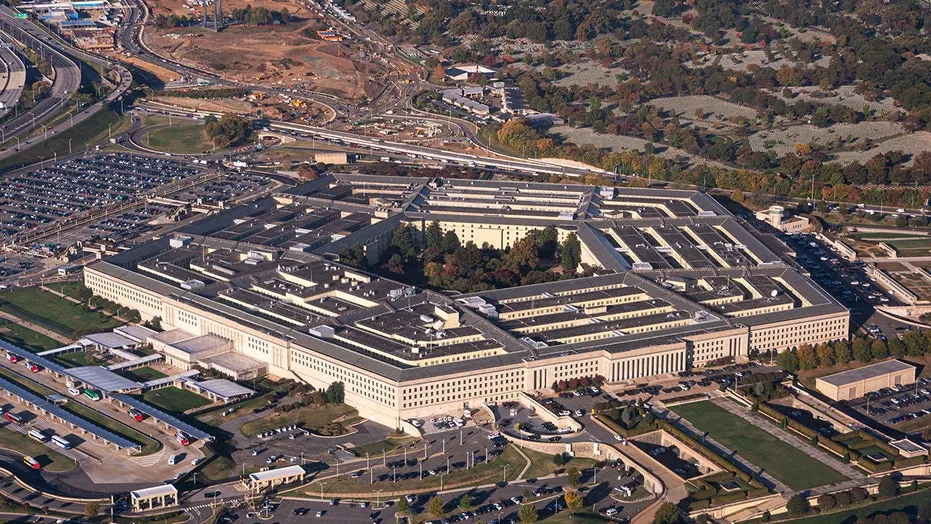
The Intercept and the Freedom of the Press Foundation have sued the Pentagon, alleging that the Trump administration maintained a list of journalists and outlets whose enquiries officials would ignore. The case matters because it raises questions about government transparency and press access, though the Pentagon has not commented and Central Command denies keeping such a blacklist.
The lawsuit, filed in Washington, D.C., seeks records under two Freedom of Information Act requests submitted in August about journalists and news organisations. It followed a July exchange in which a Central Command public affairs aide allegedly warned reporter Nick Turse he could be put on a list to be disregarded; the filing also cites an unnamed official’s account of an order not to engage with him. The groups say Central Command did not respond to the requests, and accuse the Pentagon of unlawfully withholding records past statutory deadlines.
In short
- The Intercept and FPF are suing for records about an alleged media blacklist.
- The case followed a warning to reporter Nick Turse.
- Central Command denies having a blacklist.
Steelman: both sides, in good faith
The strongest fair case each way — we don't pick a winner.
The case for
The groups argue that the public has a strong interest in knowing whether officials systematically ignored some journalists, and that FOIA is meant to let the public scrutinise government conduct. If such a policy existed, withholding records could impede reporting on military affairs and unequal press access; the lawsuit seeks disclosure through the legal process.
The case against
The Pentagon could argue that the allegations are disputed: Central Command denies keeping a blacklist, and the reported exchanges do not by themselves establish a formal policy. Officials may also have legitimate reasons to manage enquiries and protect sensitive information, while FOIA permits some records to be withheld; the merits depend on the evidence and the agency’s legal obligations.
Explained simply
The Pentagon is the United States’ defence department, while Central Command is the military command responsible for US operations in parts of the Middle East and nearby regions. The Intercept is a news organisation, and the Freedom of the Press Foundation is a group that supports press freedom.
The dispute concerns claims that officials may have been told to ignore enquiries from particular journalists or outlets. US freedom of information law allows people and organisations to request government records, and requires agencies to respond within set time limits.
The case raises questions about how government bodies handle journalists’ requests and what records the public can obtain. The Pentagon has not commented, and Central Command denies keeping a blacklist.