Politics news and discussion on TalkFuse.
Pentagon Tells Court It Lacks Staff To Clear About 400 Wind Projects
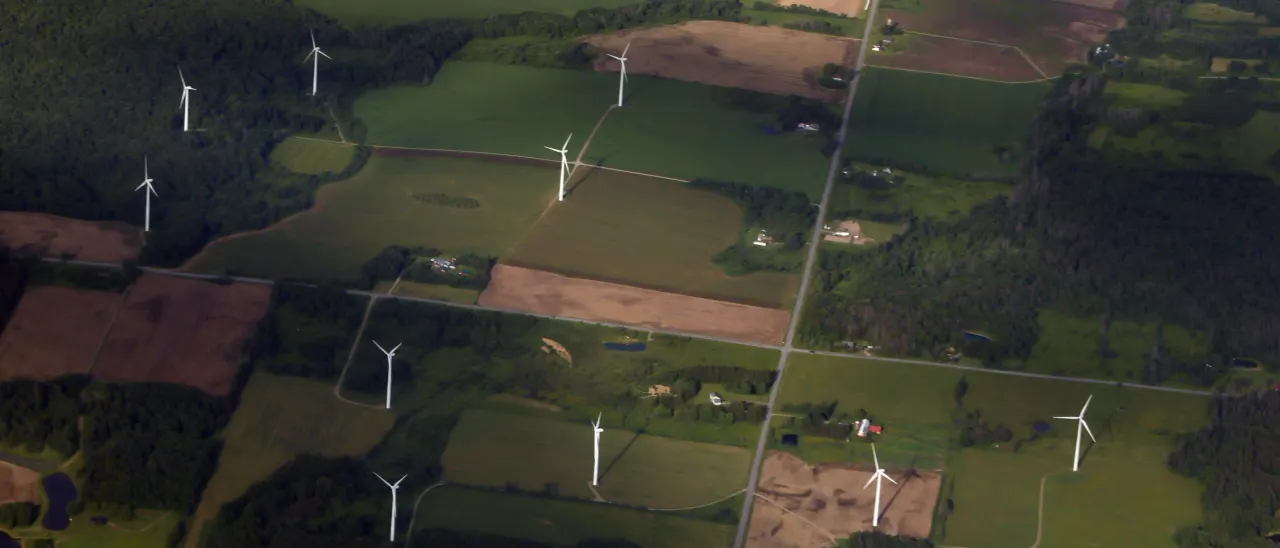
The Pentagon told a court it has too few staff to complete security reviews for about 400 proposed wind projects, prompting delays as the department assesses possible risks to military operations. The disclosure came in a court filing amid a lawsuit by wind industry groups, whose response deadline has been extended to 17 December.
Only eight federal civilian employees can sign mitigation agreements, while contractors cannot approve them. The Pentagon signed about 13 agreements a year on average previously, rising to around 30 recently, and reviews from 2012 to 2025 took an average of 491 days. The projects are at different stages: about 33 had signed agreements awaiting possible countersignature, around 110 remained in discussions, and 52 were found not to cause relevant radar interference.
In short
- About 400 wind projects await Pentagon security reviews.
- Eight federal civilian employees can sign off on agreements.
- Reviews took an average of 491 days from 2012 to 2025.
Steelman: both sides, in good faith
The strongest fair case each way — we don't pick a winner.
The case for
The Pentagon has a duty to protect military readiness, and wind turbines can interfere with radar or other operations in ways that require careful, project-specific review. With only a small number of authorised staff able to approve mitigation agreements, delays may reflect a genuine capacity constraint; adding trained reviewers or preserving time for thorough assessments could help avoid security risks.
The case against
Prolonged reviews can impose substantial costs on developers and communities and delay projects that could contribute to energy supply and climate goals. The finding that some proposals pose no relevant radar interference, alongside a long history of slow reviews, supports calls for clearer timelines, more review capacity and a process that resolves risks efficiently without leaving projects in limbo.
Explained simply
US law requires proposed wind farms near military sites to be checked for possible effects on radar and other defence operations. The Pentagon can agree measures to reduce identified risks, such as changes to a project’s design or operation.
The reviews involve the Pentagon and wind developers, with agreements requiring approval by authorised civilian staff. The projects are at different stages of review, and some have been found not to cause relevant radar interference.
The process matters because delays can affect when wind projects are built and begin producing electricity, while the reviews are intended to protect military operations. Industry groups have challenged the delays in court.