Pentagon urges Baltic leaders to temper warnings over Russia
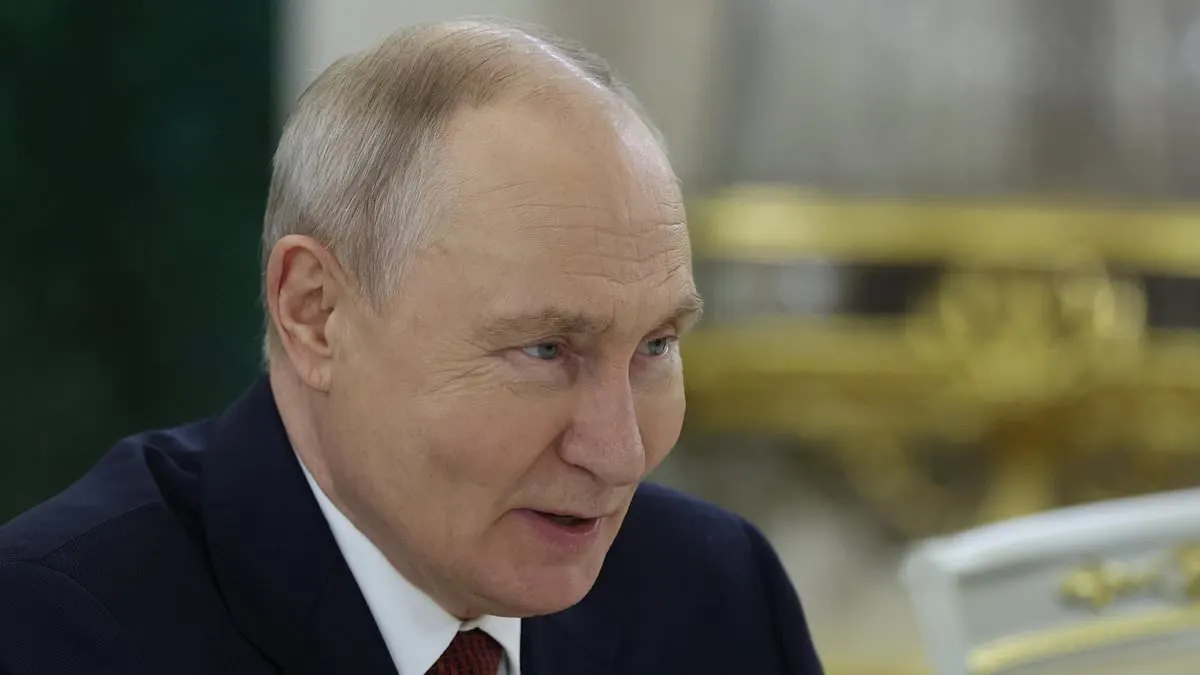
The Pentagon has privately urged some European leaders to moderate public warnings about Russia, arguing that heated language could increase risks to continental security. The reported messages come as Washington renews efforts to negotiate an end to Russia’s war in Ukraine and as Vladimir Putin says Russia is prepared for a major conflict with Europe, warning that a war with Nato would have no winners.
Sources said Lithuania, Latvia and Estonia were among the countries approached in bilateral meetings, though it is unclear whether other governments received similar advice. Pentagon policy chief Elbridge Colby reportedly cited remarks describing Russia as “cornered” as unhelpful; the article says Estonian Prime Minister Kristen Michal used a similar phrase in September. The debate reflects differing views within Nato: whether strong public warnings help prepare voters for the resources needed to deter Russia, or risk serving Moscow’s efforts to spread fear and weaken support for Ukraine.
In short
- The Pentagon has urged some European leaders to moderate their public rhetoric on Russia.
- Putin says Russia is prepared for war with Europe.
- Nato allies disagree over how to communicate the Russian threat.
Steelman: both sides, in good faith
The strongest fair case each way — we don't pick a winner.
The case for
Strong public warnings can help people understand the scale and urgency of the security challenge, build support for defence spending and aid to Ukraine, and make deterrence more credible by signalling that Nato takes the threat seriously. Advocates may argue that describing Russia’s position plainly, including when it appears cornered, is more responsible than softening language in ways that leave the public unprepared.
The case against
Measured public language can reduce the risk of escalation and avoid feeding fear or division that Moscow could exploit to weaken support for Ukraine and Nato. Advocates may argue that leaders can prepare voters and strengthen deterrence through concrete planning and private diplomacy, without rhetoric that could make conflict seem inevitable or narrow room for negotiation.
Explained simply
Nato is a military alliance in which member countries agree to support one another if attacked. Estonia, Latvia and Lithuania are Nato members on the Baltic Sea, next to Russia; all three support Ukraine in its war against Russia.
Governments differ over how to describe the risk of a wider conflict. Some argue that public warnings help prepare people for the spending and readiness needed to deter Russia; others worry that alarming language could heighten tensions or weaken support for Ukraine.
The debate matters because Nato members must weigh how to deter Russia while managing the risk of escalation. Their public messages can also shape how people view the war and the support given to Ukraine.
Business Europe Geopolitics Markets Politics World
Read the full article at the source →
Originally published by Daily Mail as “Pentagon warns European leaders to stop ‘poking’ Russia – as Putin warns he is ‘prepared for war’”.