Politics news and discussion on TalkFuse.
Pentagon’s top spies tasked with ‘no-fail’ mission as Hegseth puts foreign midterm meddling in crosshairs
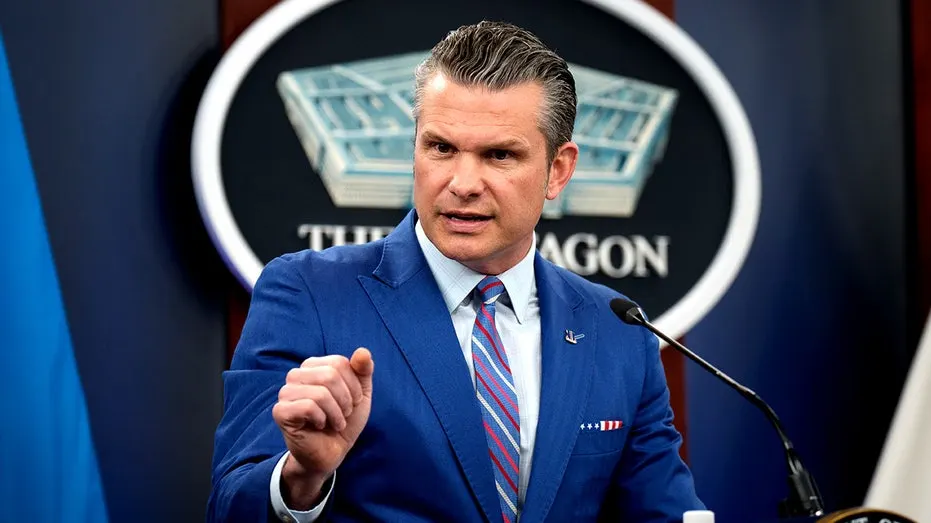
US Defence Secretary Pete Hegseth has ordered the Pentagon’s intelligence and cyber agencies to make protecting the 2026 midterm elections from foreign interference a “no-fail mission”. The directive broadens the focus across the Defence Intelligence Enterprise, though it is unclear how much it has changed existing operations.
The September order calls on agencies to use authorised resources and partnerships to counter foreign election threats. Their work can include identifying overseas hackers or influence campaigns, alerting civilian agencies and, when authorised, taking action against foreign cyber threats. The military’s role largely ends at the US border; state and local officials run elections, while the FBI and Department of Homeland Security handle domestic security. Cyber Command and the National Security Agency have worked on election security for years, but it remains unclear whether their joint Election Security Group has been re-established for the 2026 midterms.
In short
- Hegseth ordered a wider Pentagon effort against foreign election threats.
- The directive labels election security a “no-fail mission”.
- The military’s work focuses on threats originating outside the US.
Steelman: both sides, in good faith
The strongest fair case each way — we don't pick a winner.
The case for
Making foreign interference a no-fail mission could focus intelligence and cyber agencies on detecting threats early and sharing warnings with civilian election officials. Supporters can argue that foreign hacking or influence operations may undermine public trust even without changing votes, and that military agencies’ expertise and partnerships can help protect elections while leaving their administration to state and local officials.
The case against
A no-fail framing could invite pressure to expand military involvement in a process run by civilian authorities, especially if the boundaries of the mission are unclear. Critics may also worry that intelligence or cyber operations affecting political speech could chill legitimate expression, and that an unclear change to existing arrangements risks duplication or confusion with the FBI, DHS and election officials.
Explained simply
US midterm elections choose members of Congress and officials in many states, and are run by state and local authorities. Foreign interference can include attempts to hack election systems or use online campaigns to influence voters.
The Pentagon gathers intelligence about threats abroad and includes agencies such as the National Security Agency and US Cyber Command, which works against cyber threats. Their role is generally focused outside the United States; the FBI and Department of Homeland Security handle domestic security, while election officials administer voting.
The issue matters because protecting elections involves several levels of government, each with different responsibilities. Information sharing and clear authority can help agencies respond to foreign threats while leaving the running of elections to state and local officials.