Nearly two-thirds of Americans say the US feels like it is in recession
A Harris Poll found that nearly two-thirds of Americans think the US is in a recession, despite the country not meeting the usual definition of two consecutive quarters of negative economic growth. The gap matters because higher prices and a stagnant jobs market are making many people feel they are already experiencing a downturn.
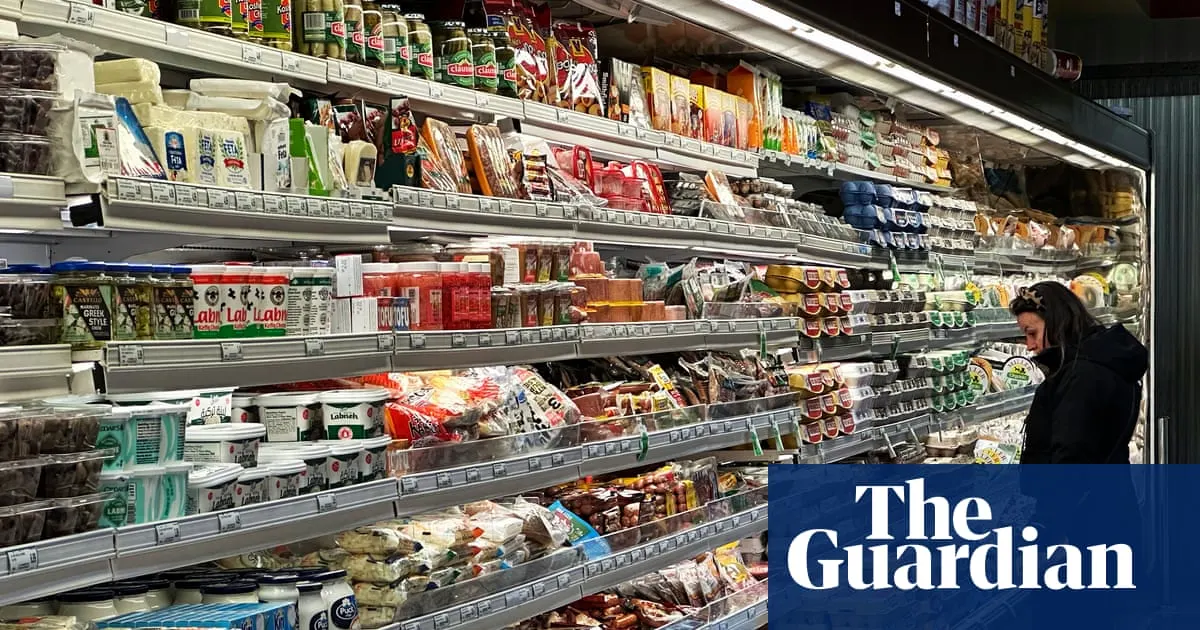
The article asks Americans whether they feel the country is in a recession and what everyday signs they use as personal indicators. Suggested examples include changes at work, in grocery shops, at children’s schools or in local communities; readers are invited to share details through a form.
- Nearly two-thirds of Americans think the US is in recession.
- The US does not meet the standard definition of recession.
- Higher prices and a stagnant jobs market shape perceptions.
New here? Start with this
A recession is usually identified by a broad and sustained fall in economic activity, though there is no single measure that captures everyone’s experience. People may judge the economy by what they see in daily life, such as the cost of food, job opportunities and changes at work.
The Harris Poll asked Americans whether the country feels as though it is in recession. Its findings point to a difference between a formal economic definition and people’s own sense of financial pressure, which can vary with their circumstances and communities.
Americas Business Economy Elections Markets Politics World
Read the full article at the source →
Originally published by The Guardian as “People in the US: what is your personal ‘recession indicator’?”.