World news and discussion on TalkFuse.
“People said we were too clever. We went, ‘If our playing’s better than yours, you should get better! Don’t blame us for being ahead in the race’”: XTC mixed prog and punk, and it was named ’prunk’
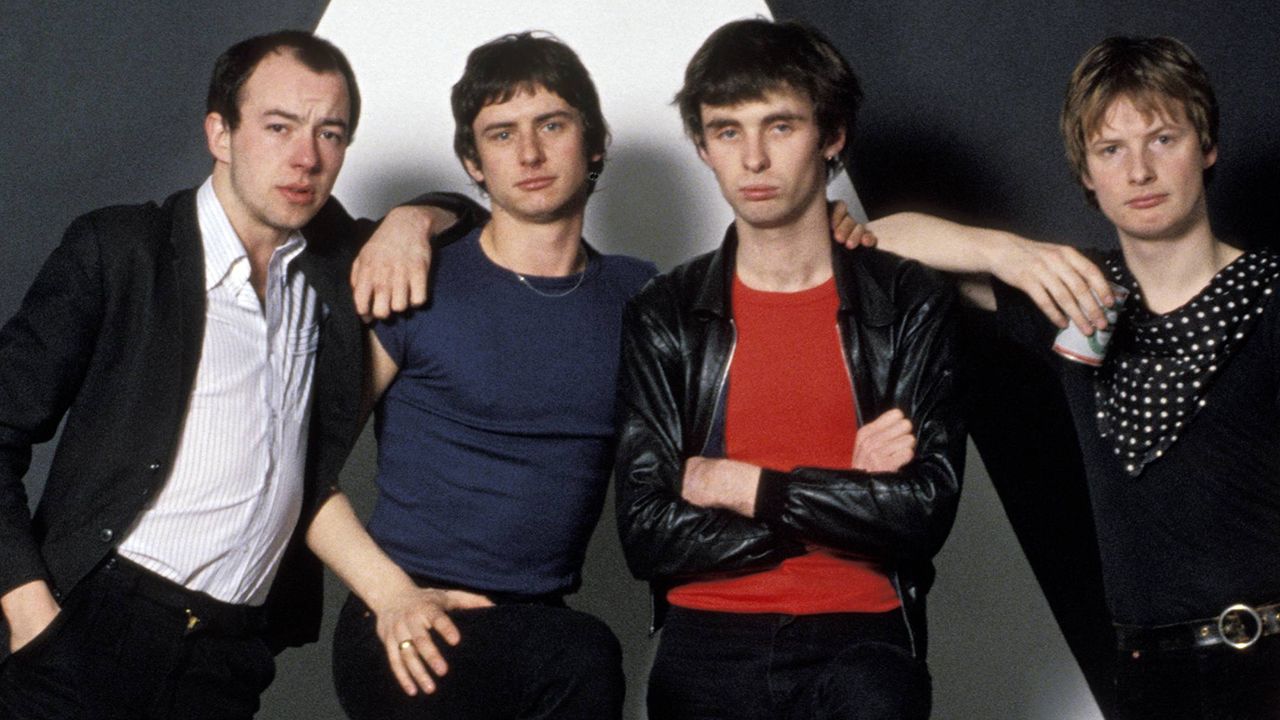
XTC, the Swindon band who emerged from the punk and new wave scene of the late 1970s, defied easy categorisation by fusing punk's energy with the intricate musicianship associated with progressive rock, a combination that has been dubbed "prunk". The article, drawing on a 2012 Prog magazine feature, explores the band's unusual position as innovators who influenced later angular pop acts while remaining too accomplished and inventive to fit neatly into punk's stripped-back ethos.
Musicians including Knifeworld and Gong's Kavus Torabi argue that while XTC didn't produce prog's typical long songs with extended soloing, their relentless reinvention, high-level musicianship and pursuit of perfection mark them out as fundamentally progressive in spirit. The band cited influences such as Be Bop Deluxe, Captain Beefheart and Todd Rundgren, and reportedly bristled at being called "too clever", insisting their superior playing simply put them ahead of their peers.
In short
- XTC blended punk and prog rock, earning the label "prunk"
- Musicians say XTC's musicianship makes them essentially progressive
- Band cited Be Bop Deluxe, Beefheart and Rundgren as key influences
Steelman: both sides, in good faith
The strongest fair case each way — we don't pick a winner.
The case for
XTC's fusion of punk energy with sophisticated musicianship represented genuine artistic progress rather than pretension. Their technical excellence enabled stronger songwriting, arrangement and execution; pursuing mastery rather than deliberate limitation serves the music and audiences. The band's lasting influence demonstrates that complexity and accessibility need not be mutually exclusive—listeners responded to work that was both innovative and accomplished because superior musicianship and artistic vision enhance rather than undermine artistic merit.
The case against
Punk's core ethos centred on accessibility and democratisation, asserting that technical training need not be a barrier to making meaningful music. XTC's insistence that superior technique automatically justifies greater complexity reflects a hierarchical view of musicianship that contradicts punk's anti-elitist spirit. Technical perfection is not inherently artistically superior; simplicity can convey emotion and message equally or more effectively, and dismissing audiences who found the music alienating as simply 'not good enough' sidelines the legitimate tension between virtuosity and punk's original egalitarian purpose.
Explained simply
XTC were a band from Swindon who came to prominence in the late 1970s, when punk and new wave were reshaping British music. Punk often favoured short, direct songs and a rough sound, while progressive rock was associated with complex arrangements and ambitious musicianship.
XTC drew on both approaches, pairing energetic pop songs with intricate playing and frequent changes in style. Musicians who have discussed the band point to influences including Be Bop Deluxe, Captain Beefheart and Todd Rundgren, and describe XTC as progressive in its willingness to experiment, even without the long songs and solos often linked to prog.
The label “prunk” captures this mix, though it is not a standard musical category. The debate around XTC reflects broader questions about how bands fit into genre labels and whether technical skill and experimentation can sit alongside punk’s directness.
Americas Art Culture Entertainment Music World