Charity shops face rising costs as poor-quality clothing donations grow
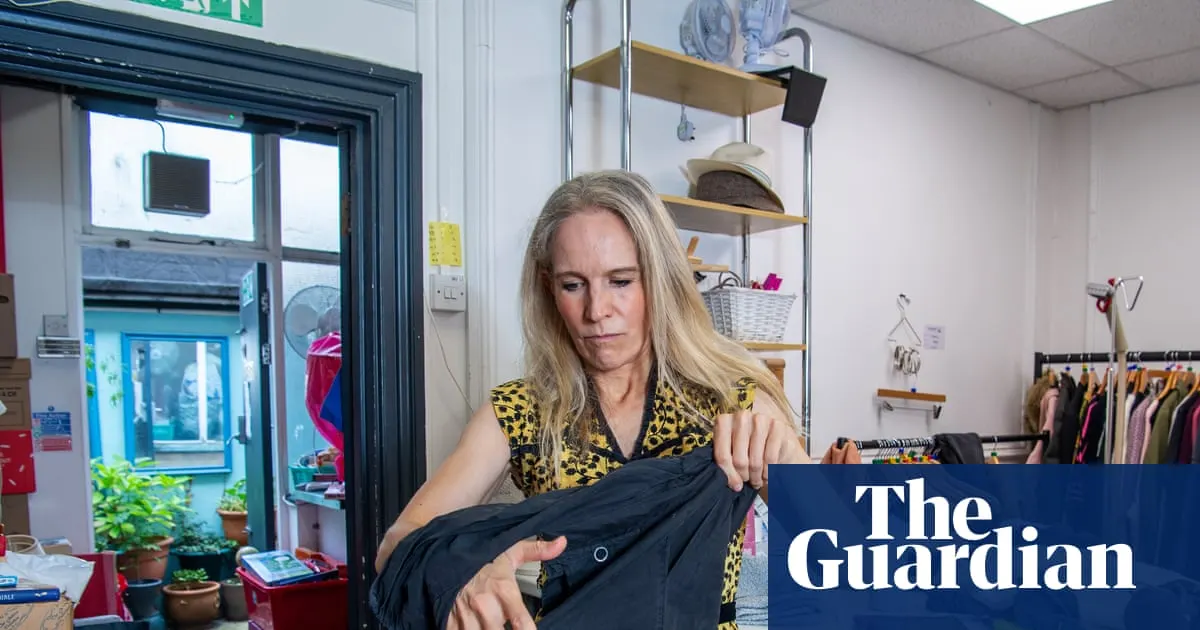
Charity shops across Britain are receiving growing volumes of poor-quality, soiled and unsellable clothing, putting pressure on staff, finances and the organisations’ ability to raise funds. Shop workers and charity leaders say the surge reflects high clothing consumption and a shift towards selling the best items online, leaving shops with more waste to sort and dispose of.
At St Raphael’s Hospice shop in south London, donations average 30 to 50 bags a day and can exceed 100. Charity shops sell only about a quarter of donated clothing; the price paid for unsold textiles has fallen from 50–60p per kilo a decade ago to around 10p, while waste collection costs shops money. The sector is also facing rising operating costs and closures: the British Heart Foundation plans to shut 150 stores, while Cancer Research is closing 190.
- Charity shops are overwhelmed by low-quality clothing donations.
- Only about a quarter of donated clothes are sold.
- Falling textile prices and rising costs add pressure.
New here? Start with this
Charity shops sell donated goods, mainly clothing, with profits supporting medical charities such as Cancer Research UK and the British Heart Foundation. These shops have long been vital fundraising tools for health charities and community causes.
In recent years, charity shops have been receiving far larger volumes of poor-quality, soiled and damaged clothing that cannot be sold. Staff must spend time sorting and disposing of these unsuitable donations, whilst the price paid for waste textiles has fallen sharply over the past decade.
The rising costs of waste disposal, combined with declining revenue from both sales and textile recycling, have put pressure on charity finances. Several major charities have announced store closures in response to these challenges.
Both sides, in good faith
The strongest fair case each way — we don't pick a winner.
The case for
Donors should take greater responsibility for what they donate, prioritising quality and condition. The problem reflects poor consumer habits—people buying cheap items they don't truly value and treating charity shops as free disposal services. Encouraging selective donations and cultural change around consumption could meaningfully reduce the volume of unsellable items and ease pressure on charities.
The case against
The issue is fundamentally systemic, not driven by individual irresponsibility. Fast fashion creates inherently low-quality items; online resale platforms incentivise keeping valuable donations; and charities lack adequate funding and infrastructure. Donors are largely doing the right thing by donating rather than discarding, but the changed retail landscape requires systemic solutions and proper investment, not donor shaming.
Business Culture Fashion Markets
Read the full article at the source →
Originally published by The Guardian as “‘People sell their best stuff on Vinted’ – how charity shops became a dumping ground for unsellable clothes”.