Technology news and discussion on TalkFuse.
South Australian woman convicted of murdering parents with insulin
Developed over time first seen 13 hours ago
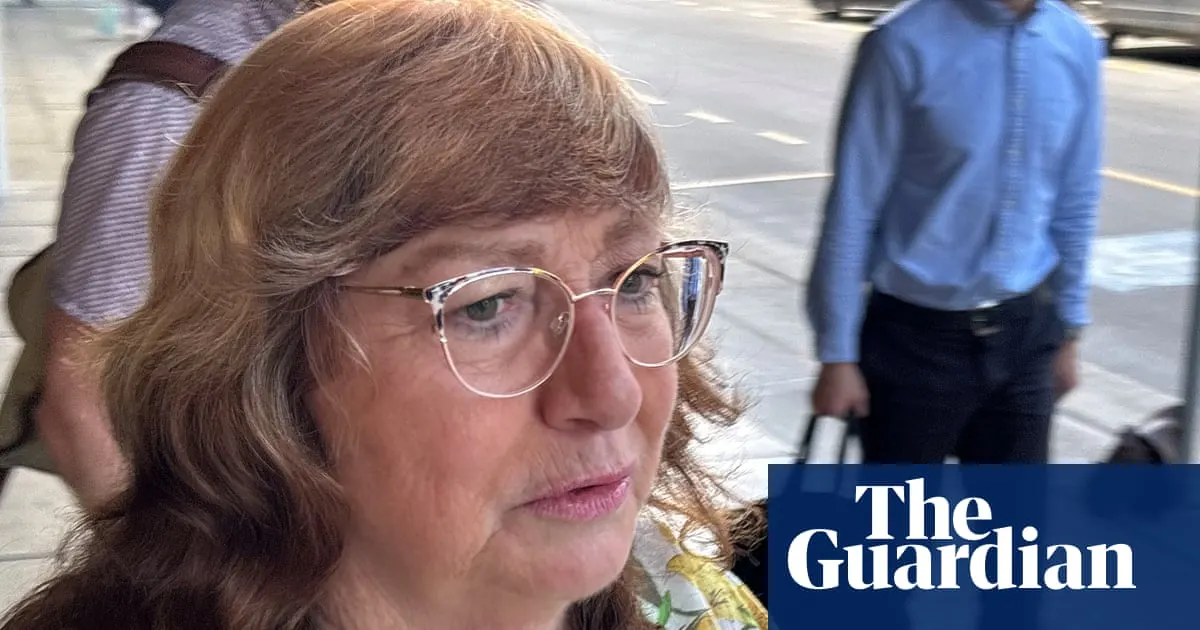
A South Australian jury has unanimously convicted Raelene Polymiadis of murdering her elderly parents with insulin, following a four-month trial. The 66-year-old has been remanded in custody and faces two mandatory life sentences, with the case now awaiting further court proceedings.
Jurors found that Polymiadis, who has type 1 diabetes, gave Brenda Anderson a fatal dose in March 2022 and Lynton Anderson one in April 2023; both were 94. Prosecutors suggested she may have believed this would spare them from moving into aged care. Evidence included testimony from her former boyfriend, a police recording and notes seized by investigators; she is due back in court on 16 December for a directions hearing.
- Sources
- 2
- Outlets
- 2
- Left · Centre · Right
- 1 · 0 · 1
In short
- Raelene Polymiadis was convicted of murdering both parents with insulin.
- Her parents were both 94 when they died.
- She faces two mandatory life sentences.
How this story developed
- 11 hours ago After the four-month trial, Polymiadis was remanded in custody and faces two mandatory life sentences, with a directions hearing scheduled for 16 December.
- 11 hours ago A South Australian jury unanimously convicted Raelene Polymiadis of murdering her parents, Brenda and Lynton Anderson, with insulin in separate incidents in 2022 and 2023.
Full account
A jury in South Australia has found Raelene Polymiadis guilty of murdering her parents, Brenda and Lynton Anderson, by giving them fatal doses of insulin. The 66-year-old, who has type 1 diabetes, was convicted of two counts after a trial lasting four months. The unanimous verdicts were returned on Friday, after jurors deliberated for less than five hours. Her bail was revoked and she was remanded in custody. She faces mandatory life sentences and is due back in court on 16 December for a directions hearing.
The jury accepted that the two deaths followed separate incidents: Brenda died in March 2022 and Lynton in April 2023. Both were 94. They had been in declining health and were opposed to moving into aged care. Prosecutors raised the possibility that Polymiadis believed killing them would spare them from entering a nursing home. That was presented as a possible motive, rather than an established explanation for her actions.
Brenda had been taken to hospital after a fall in February 2022, sustaining a fractured vertebra; pneumonia and another fall complicated her recovery. She was improving and had a discharge plan when, after a visit from Polymiadis on 12 March, staff found her largely unresponsive. The prosecution said Polymiadis gave her insulin that day and again between 13 and 15 March. After Brenda’s death, Lynton remained at home, but his four children began taking turns staying overnight as he became frailer. Polymiadis had stayed with him over the weekend before leaving on 30 April 2023. A carer found him unconscious about two hours later; he died the next day from insulin toxicity.
Evidence described at trial included testimony from Polymiadis’s former boyfriend, Ian Edward Willcourt, who said she had called insulin an ideal murder weapon because it occurred naturally in the body and could not be detected. A police listening device also recorded her alone in her car, apparently speaking to God and saying she had killed her parents. Investigators found handwritten notes, including a passage speculating that police might wait weeks, months or a year to see whether a suspect became overconfident. Polymiadis showed visible distress as the verdicts were read, according to both reports. The trial had been expected to last 12 weeks but ran longer after illness and other delays.
The two reports largely give the same account of the verdicts, timeline and evidence. The first provides more detail about the trial’s original 12-week estimate and the delays, as well as describing Polymiadis’s reaction in court. The second adds that she is scheduled to return on 16 December for a directions hearing and captions a note as potentially part of an effort to conceal the murders; that characterisation is not included in the first report. Both reports describe the nursing-home explanation as a possible motive raised by prosecutors.
Where outlets differ
From the full account, which is AI-written from the sources:
The first report says the trial began on 15 June and exceeded its 12-week estimate because of illnesses and other delays; the second also mentions the delays but gives less detail on the estimate.
The second report states that Polymiadis will return to court on 16 December for a directions hearing, a detail absent from the first report.
The second report characterises another note found in Polymiadis’s car as potentially part of an attempt to conceal the murders; the first report does not include that description.
Left-leaning outlets 1
Only here: south, australian, convicted
Right-leaning outlets 1
Only here: diabetic, found, guilty, injections, perfect
Every side used: woman, murdering, parents, insulin
Headline columns compared word for word; nothing in them is AI-written.
Explained simply
Type 1 diabetes is a condition in which the body cannot make the insulin needed to control blood sugar, so people usually need regular insulin treatment. Insulin can be dangerous in excessive amounts, and investigators said it was used in the deaths of Brenda and Lynton Anderson, who were both 94.
Their daughter, Raelene Polymiadis, also has type 1 diabetes. The case examined what happened to her parents as their health declined, and included evidence from her former boyfriend, a police recording and notes gathered by investigators.
The case matters because it concerns the deaths of two elderly people and the use of a medicine that is essential for some patients but potentially fatal in excess. The court process will determine the sentence and deal with the remaining legal steps.
Coverage · 2 sources
Bias meters
From 2 rated sources.
Read the full article at the source →
Originally published by The Guardian as “‘Perfect weapon’: diabetic woman found guilty of murdering her 94-year-old parents with insulin”.