World news and discussion on TalkFuse.
‘Period of uncertainty: Trump is tormented, he’s unstoppable, and he’s desperate for immortality’
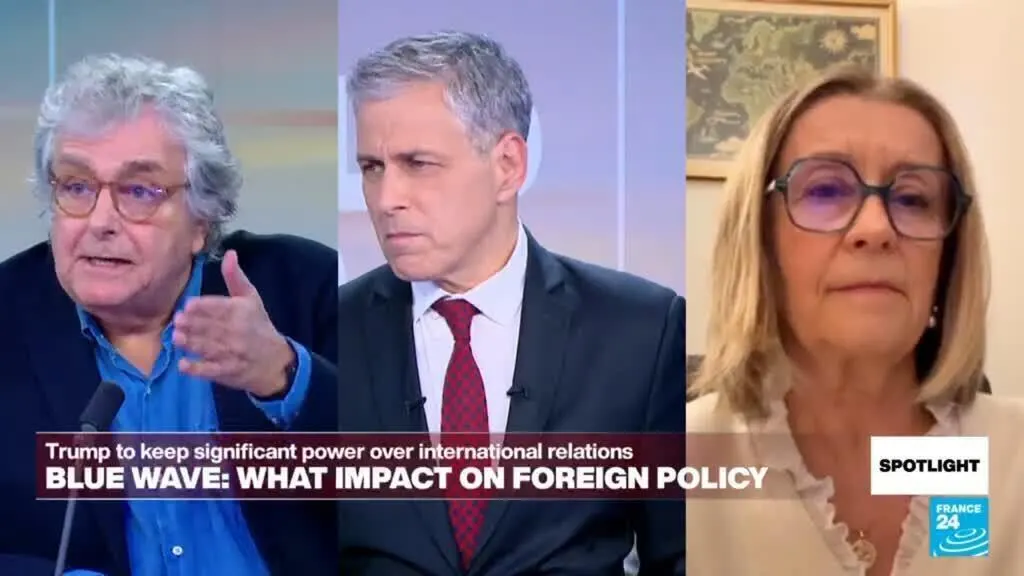
Thomas Copetas warns that Democratic electoral gains may not bring stability to US foreign policy. He argues that President Donald Trump’s reduced control at home could leave him more room to act abroad, with personal ambition potentially putting established security commitments at risk.
Copetas raises the speculative possibility that Trump could use Taiwan as a bargaining chip in talks with China’s President Xi Jinping, a scenario he calls a “Faustian bargain”. The discussion also covers scrutiny of Elon Musk’s dealings with the US government, opportunities for European firms in satellite communications, AI and aerospace, and voters’ concerns about industrial decline, living costs and tariffs.
In short
- Electoral setbacks may not curb Trump’s actions abroad.
- Copetas warns Taiwan could become a bargaining chip with China.
- US voters remain focused on jobs, costs and tariffs.
Steelman: both sides, in good faith
The strongest fair case each way — we don't pick a winner.
The case for
If electoral losses weaken Trump’s influence over domestic policy, he may have stronger incentives to pursue a foreign policy legacy, where presidential power can be exercised more directly. His personal ambitions and transactional approach could make established commitments less reliable, so allies are justified in considering the risk that Taiwan might become leverage in a deal with China.
The case against
The claim that domestic political weakness could make Trump more dangerous abroad is speculative: electoral setbacks may constrain his choices or redirect his attention rather than free him to act. A Taiwan bargain would face strategic, institutional and diplomatic obstacles, and Trump’s negotiating style does not by itself show that he would abandon security commitments; allies should assess concrete decisions rather than infer them from conjecture.
Americas Europe Government Politics World