World news and discussion on TalkFuse.
Perpetual paralysis: Why everything is grinding to a halt
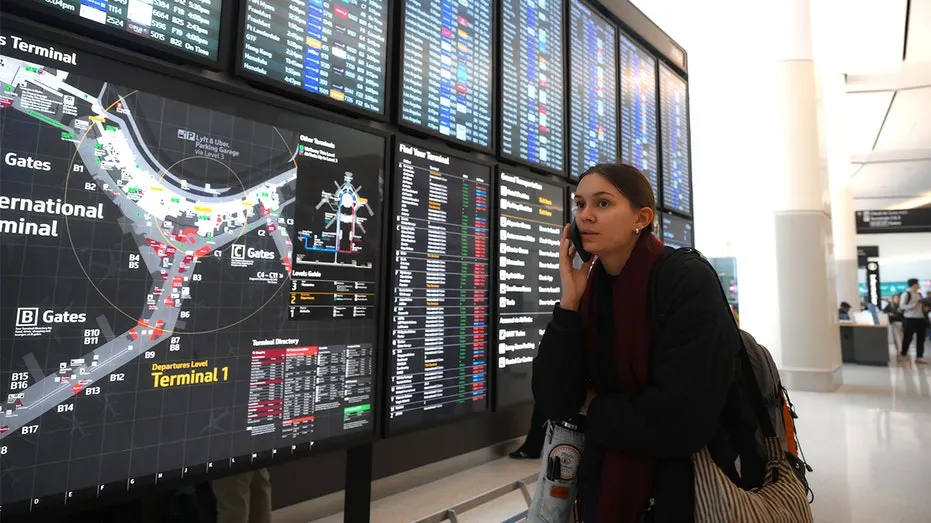
The article argues that a series of failures in transport, technology and customer services reflects a broader decline in the reliability of everyday systems. It points to the disruption caused by an FAA ground stop and a Microsoft Outlook outage, and says these incidents leave people frustrated and uncertain about how well institutions are functioning.
It cites 3,600 cancelled flights during the FAA disruption and says officials warned that outdated equipment could take days to untangle and about $50 billion to fix. The article also describes a 36-hour Outlook outage, persistent spam and difficulties using websites and automated phone systems. It then turns to Nvidia chief Jensen Huang and allegations involving an affair with a woman US intelligence believes may be a Chinese spy, raising concerns about the competition with China over advanced chips.
In short
- FAA disruption cancelled 3,600 flights.
- Outlook was down for 36 hours.
- The article links service failures with concerns over technology and national security.
Steelman: both sides, in good faith
The strongest fair case each way — we don't pick a winner.
The case for
Repeated breakdowns in transport, software and customer services can reasonably be seen as evidence that essential systems have become too fragile and difficult to maintain. The FAA disruption, Outlook outage and routine failures of websites and phone systems impose real costs on people, while reports of outdated infrastructure strengthen the case for sustained investment and clearer accountability.
The case against
Several conspicuous failures do not by themselves establish a general decline in reliability; large systems can suffer occasional outages even when they usually work, and focusing on breakdowns may obscure that broader record. Modern services also bring greater convenience and capability, while replacing complex infrastructure can be costly and disruptive, so the incidents call for careful diagnosis rather than a sweeping conclusion about institutional decline.
Explained simply
Modern transport, email and customer-service systems depend on connected technology and organisations working together. When one part fails, the effects can spread to passengers, workers and people trying to contact businesses or public services.
The Federal Aviation Administration oversees safety and air traffic in the United States, while Microsoft provides Outlook, an email service used by many people and organisations. Nvidia, led by Jensen Huang, makes advanced computer chips that are important to artificial intelligence and other technologies, and those chips are part of wider US competition with China.
These systems matter because people rely on them for travel, communication and access to services. Their reliability also affects confidence in the organisations that run them, while advanced chips have economic and national-security importance.