World news and discussion on TalkFuse.
Pesticide-sprayed tomatoes suspected to have killed 15 elephants in Kenya
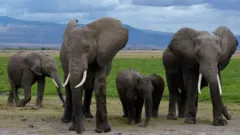
Fifteen elephants have died near Kenya’s Amboseli National Park after reportedly eating tomatoes sprayed with pesticides, with preliminary tests detecting cyanide in carcass samples. The suspected poisoning highlights growing tension between wildlife conservation and expanding farming around the park, where elephants frequently enter farmland seeking food and water.
The deaths occurred between 24 June and 24 July 2026 and involved elephants of varying ages and sexes; ten showed paralysis before dying within two days, while five were found dead. The Kenya Wildlife Service is still investigating but has ruled out foul play for now and says there is no immediate risk to people; more than 2,000 elephants live in the wider Amboseli ecosystem.
In short
- Fifteen elephants died near Amboseli after suspected pesticide poisoning.
- Tests found cyanide in samples from the animals.
- The deaths raise concerns over farming near elephant habitat.
Steelman: both sides, in good faith
The strongest fair case each way — we don't pick a winner.
The case for
Farmers living alongside elephants have a reasonable claim to protect their crops, livelihoods and safety when wildlife enters their fields, especially as farming expands and competition for land and water grows. Clear rules and practical support for safe pesticide use, deterrence and compensation could help prevent losses without asking rural communities to bear the costs of conservation alone.
The case against
Elephants are a vital part of the Amboseli ecosystem, and poisoning poses serious risks to wildlife as well as potentially to people and the environment. Conservation advocates can argue that farms near the park need safeguards against toxic exposure, alongside measures such as wildlife corridors and timely compensation, so protecting livelihoods does not come at the cost of preventable deaths.
Explained simply
Amboseli National Park is a protected wildlife reserve in Kenya that is home to a large elephant population. The reserve is surrounded by farmland, and elephants regularly move outside the protected boundaries in search of food and water, often eating crops in the surrounding fields.
The situation highlights the longstanding tension between wildlife conservation and agricultural development in Africa. As human populations grow and farming expands into areas near wildlife reserves, interactions between wild animals and agricultural land have become increasingly common.
Farmers use pesticides to protect their crops from damage by insects and wildlife. When such farming practices overlap with areas where wild animals live and forage, pesticide exposure becomes a potential risk to those animals.