Culture news and discussion on TalkFuse.
Pete Buttigieg: Everyone’s ‘watching the state of Michigan right now’
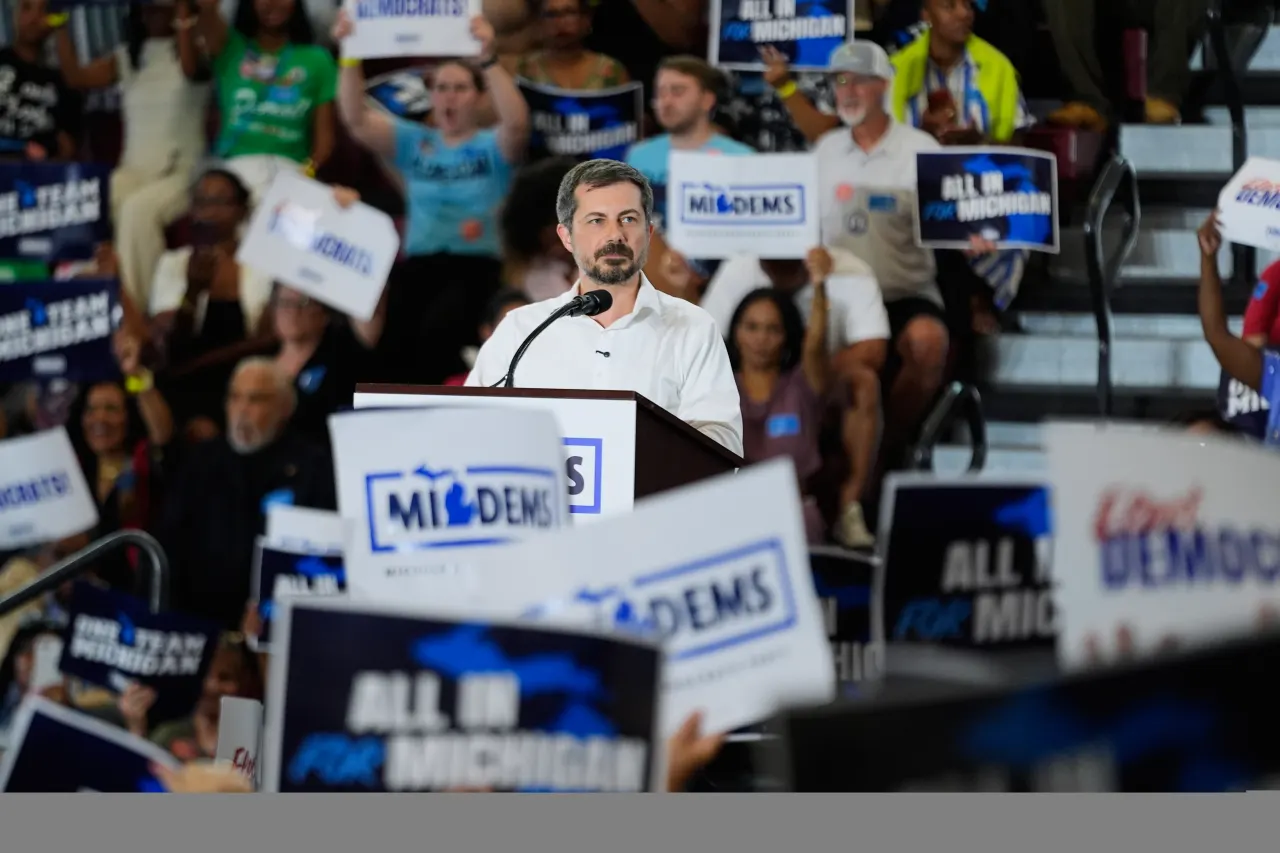
Pete Buttigieg joined Michigan Democrats at a unity rally in Detroit, urging supporters to unite behind Abdul El-Sayed and the party’s statewide candidates after a divisive Senate primary. He said Michigan was being watched nationally and internationally to see whether Democrats could build the coalition needed to win, highlighting the state’s importance in the fight for control of the US Senate.
El-Sayed, a former public health official aligned with the party’s progressive wing, narrowly defeated establishment-backed Representative Haley Stevens for the Democratic nomination to succeed retiring Senator Gary Peters. More than 1,000 people attended the rally, where candidates stressed unity ahead of El-Sayed’s general-election contest against Republican Mike Rogers, with less than three months remaining before polling day.
In short
- Buttigieg urged Michigan Democrats to unite after a bitter Senate primary.
- El-Sayed will face Republican Mike Rogers for an open Senate seat.
- Michigan’s result could help determine control of the Senate.
Steelman: both sides, in good faith
The strongest fair case each way — we don't pick a winner.
The case for
Supporters of El-Sayed's nomination argue that his primary victory validates a progressive approach that energises Democratic voters around urgent policy priorities: healthcare reform, economic justice and working-class representation. They contend that building a winning coalition requires authentic engagement with the party's base rather than chasing moderate swing voters through establishment credentials alone. The primary result shows voters chose his vision, and genuine unity means rallying confidently behind that choice.
The case against
Those concerned about El-Sayed's general election viability argue that in a competitive purple state, Stevens' legislative experience and mainstream appeal offered a more reliable path to defeating the Republican incumbent. They point to the narrow primary margin as evidence of lingering party division and worry that a progressive nominee may struggle with independent and moderate voters who decide Senate races. They contend that electability and demonstrated ability to govern must balance ideological enthusiasm, particularly in races that determine Senate control.
Explained simply
Michigan is a state in the US Midwest, represented in the Senate by two elected senators. One seat is due to become vacant because Senator Gary Peters is retiring, so voters will choose his replacement in the general election.
Abdul El-Sayed won the Democratic nomination for that seat in a close primary, the party’s contest to select its candidate. He is a former public health official associated with the party’s progressive wing; Haley Stevens, a member of the House of Representatives, was backed by more established parts of the party. El-Sayed will face Republican Mike Rogers in the general election.
Michigan’s Senate race is part of a wider contest for control of the US Senate, which has a major role in passing laws and approving senior government appointments. The outcome could affect which party has more influence in Washington.
Art Culture Government Politics