World news and discussion on TalkFuse.
Peter Gill: a theatrical visionary with an unsparing honesty
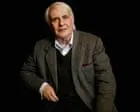
Peter Gill, the Welsh-born playwright and director, has died aged 86, remembered as one of the unsung heroes of British theatre for work marked by uncompromising honesty and integrity as both writer and director. He achieved wider public recognition relatively late, in 2002, when his play The York Realist won several awards and Sheffield's Crucible theatre staged a month-long retrospective alongside his new work, Original Sin.
Born into a working-class Catholic family, Gill began as an actor before joining London's Royal Court as an associate director in 1964, where he developed his commitment to text, design and actors. His notable achievements include staging a trilogy of rediscovered DH Lawrence plays in 1968, transforming Hammersmith's Riverside Studios into an acclaimed performance space, directing landmark productions at the National Theatre, and founding the National Theatre Studio in 1984 to nurture new writers. His own plays, including The Sleepers Den, Small Change and Kick for Touch, drew on themes of working-class life, class division and Welsh masculinity, with The York Realist cited as the finest example of his talents as both playwright and director combined.
In short
- Playwright and director Peter Gill has died aged 86.
- Known for The York Realist and Royal Court work since 1964.
- Founded National Theatre Studio in 1984 to support new writers.
Explained simply
Peter Gill was a Welsh-born playwright and theatre director whose work often drew on working-class life, social class and Welsh identity. He began as an actor, then joined London’s Royal Court theatre as an associate director in 1964, where he developed a close focus on scripts, design and performers.
Gill helped bring neglected plays by DH Lawrence back to the stage, led the transformation of Riverside Studios in Hammersmith, and directed productions at the National Theatre. In 1984, he founded the National Theatre Studio to support new writers. His work mattered both for his own plays and for the spaces and opportunities he helped create for other theatre-makers.