World news and discussion on TalkFuse.
PETER HITCHENS: It’s time the people who gave Russell Brand a platform examined their consciences
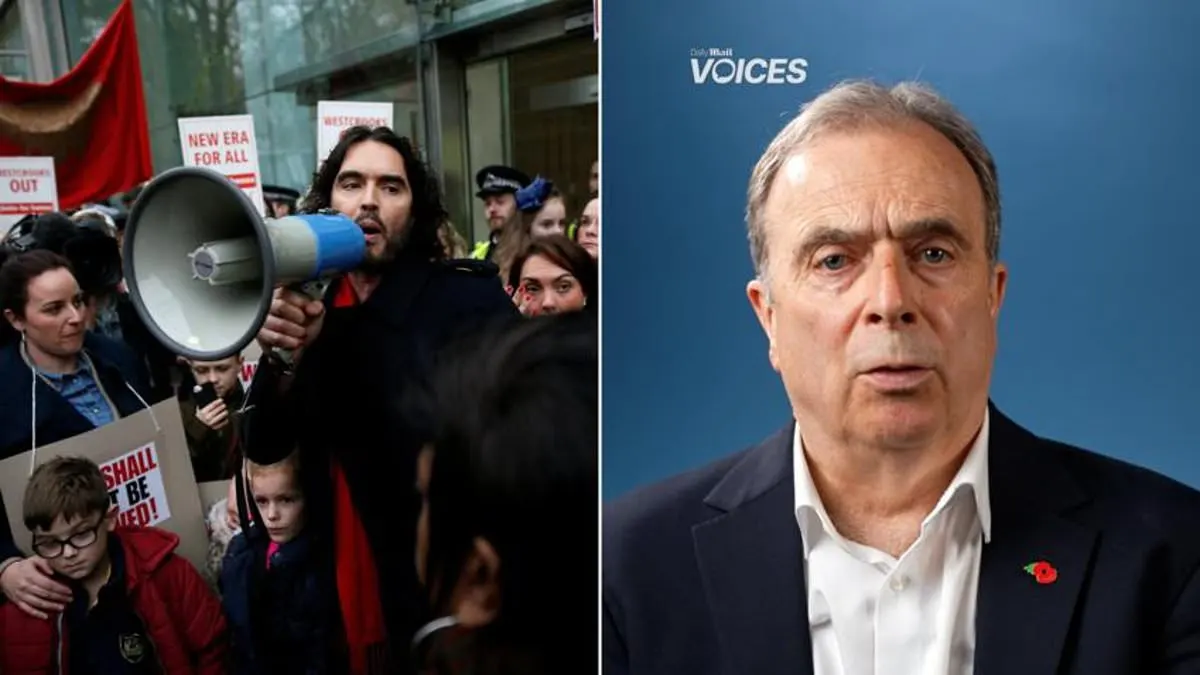
Peter Hitchens argues that people and organisations who gave Russell Brand a public platform should reflect on their judgement after Brand was convicted of rape and sexual assault. He says those who promoted or interviewed him helped shape his public standing and should consider their responsibility.
The article’s headline refers to Brand beginning a 10½-year prison sentence. It also cites reports of further abuse allegations and possible additional charges, while pointing to a 2015 election campaign interview involving Brand and Labour leader Ed Miliband. Hitchens’ central point is that scrutiny should extend beyond Brand to those who helped amplify his influence.
In short
- Hitchens urges those who promoted Brand to examine their decisions.
- Brand has begun a 10½-year sentence for rape and sexual assault.
- The article raises questions about responsibility for giving him a platform.
Steelman: both sides, in good faith
The strongest fair case each way — we don't pick a winner.
The case for
People who give prominent figures a platform help shape their influence, so it is reasonable to ask whether interviewers and promoters took warning signs seriously and applied proper scrutiny. Reflecting on those decisions could improve editorial judgement and accountability, especially where a public figure’s reach is used to influence political debate.
The case against
A platform is not an endorsement, and interviewers or promoters cannot fairly be held responsible for another person’s crimes simply because they engaged with him publicly. Hindsight can make warning signs seem clearer than they were at the time; scrutiny should focus on what people knew, what they could reasonably have checked and whether they acted responsibly then.
Explained simply
Russell Brand is a British comedian and broadcaster who became a prominent public figure through television, radio, films and political commentary. His fame grew partly through interviews and appearances with established media outlets and public figures.
The story raises questions about the role of interviewers, broadcasters and other organisations in giving public figures wider reach. It matters because media platforms can shape who is heard and how influential they become, while responsibility for that influence is debated.