Peter Jackson’s Worst Lord of the Rings Sin Was Forgetting the Story’s Fairy Tale Roots
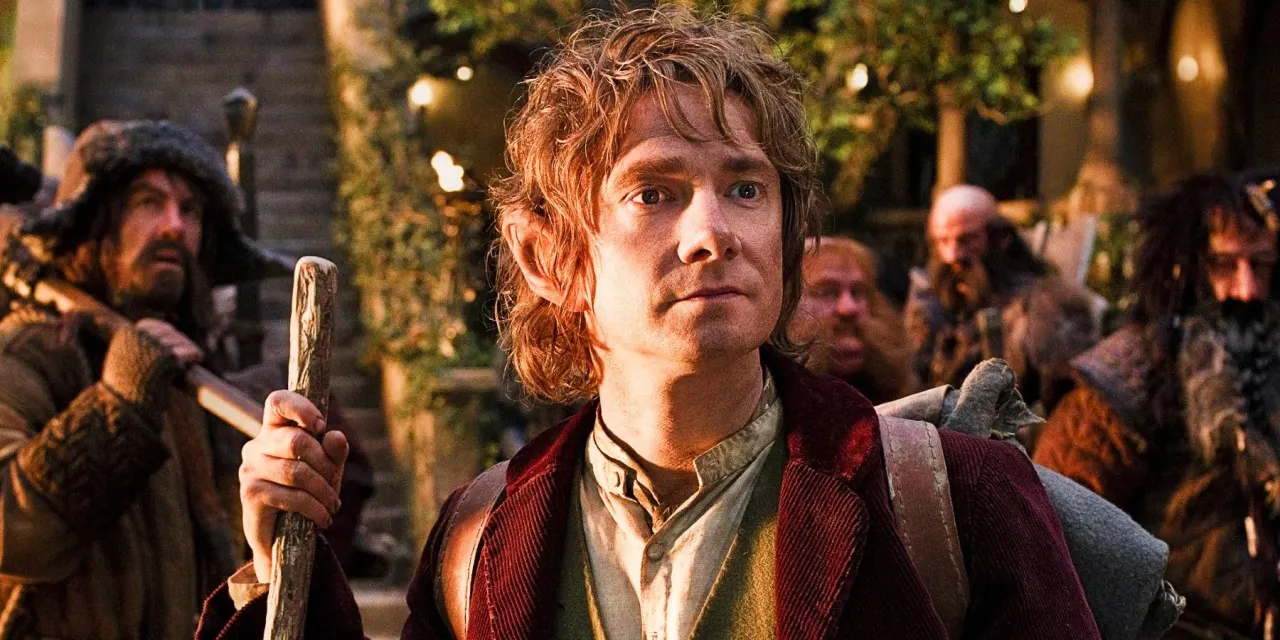
The article argues that Peter Jackson’s *The Hobbit* films lost the book’s distinctive fairy-tale character by turning a compact story into a sprawling, effects-heavy epic. It says the adaptation’s problem goes beyond adding material: the films missed the intimate, playful quality of a tale Tolkien first told to his children.
Tolkien began with the sentence “In a hole in the ground, there lived a hobbit” and developed it into bedtime stories, later writing them down partly to make details consistent. The article contrasts this origin with Jackson’s decision, alongside Philippa Boyens, to expand the planned two films into a trilogy, and suggests *The Princess Bride* could have offered a more fitting model for adaptation.
In short
- The films expanded a compact fairy tale into a sprawling trilogy.
- Tolkien first told Bilbo’s story as bedtime tales for his children.
- The article points to *The Princess Bride* as a better adaptation model.
Steelman: both sides, in good faith
The strongest fair case each way — we don't pick a winner.
The case for
The films’ scale and added material can be seen as obscuring what made Tolkien’s story distinctive: its intimate, playful voice and fairy-tale sense of adventure. A more restrained adaptation, perhaps closer in spirit to The Princess Bride, might have preserved that character and served the book better.
The case against
A film adaptation need not reproduce the book’s original tone or modest scale to be worthwhile; Jackson’s trilogy could be understood as an attempt to build a broader cinematic world and connect The Hobbit with the larger Middle-earth story. Expanding the narrative also gave filmmakers room to develop characters and events that a close, compact adaptation might have left out.
Explained simply
J.R.R. Tolkien’s The Hobbit began as stories he told his children, before he wrote them down and published the book in 1937. It follows Bilbo Baggins, a home-loving hobbit drawn into a journey with a group of dwarves seeking to reclaim their home and treasure from the dragon Smaug.
Peter Jackson, who directed the Lord of the Rings films, adapted The Hobbit with screenwriter Philippa Boyens. Their film version grew from a planned two films into a trilogy, adding material and linking the story more closely to the larger world of Tolkien’s later books.
The debate is about how an adaptation can preserve a book’s character as well as its events. The article argues that The Hobbit’s intimate, playful fairy-tale feel was overshadowed by the films’ scale and effects, and points to The Princess Bride as a possible model for a lighter approach.