Science news and discussion on TalkFuse.
Australia’s COP31 leadership fails to secure stronger emissions commitments
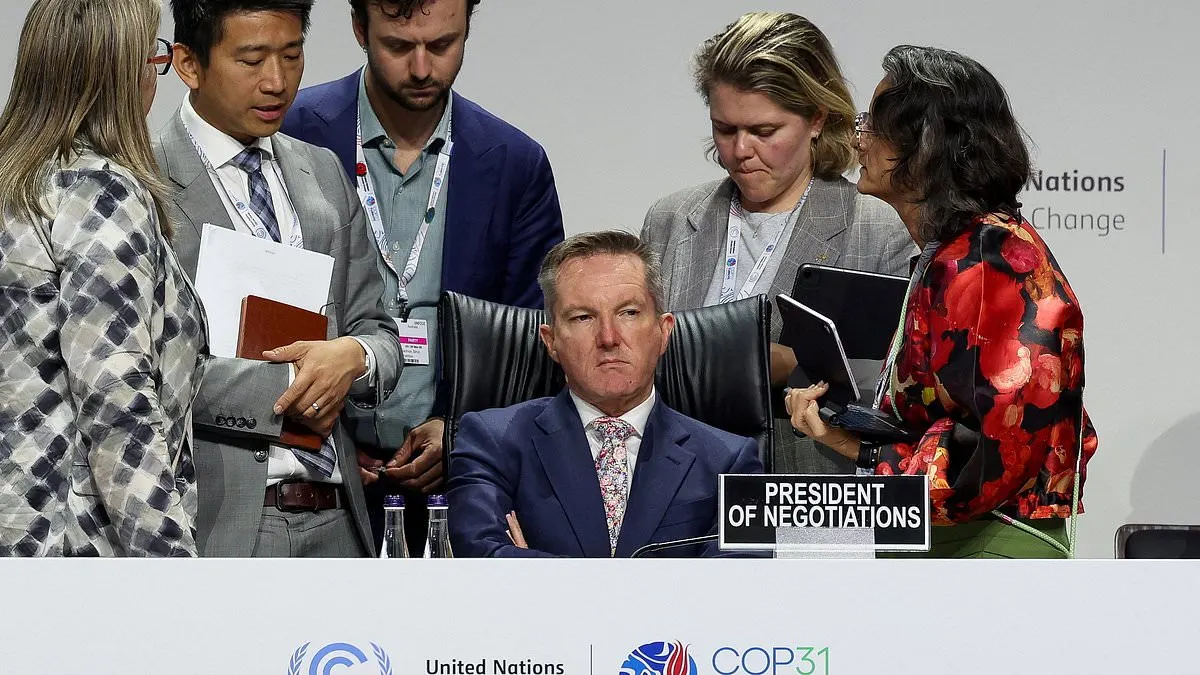
Australia’s role leading negotiations at COP31 in Turkey ended without agreement on emissions reductions, despite Prime Minister Anthony Albanese previously describing the arrangement as a source of unprecedented influence. The failure matters because the talks produced no stronger commitment on fossil fuels, and even Pacific island nations that Australia said it represented rejected the draft.
The article says negotiators were split between oil-producing countries opposing fossil-fuel language and European and Pacific delegates seeking a clear commitment. Australia and Turkey’s draft referred back to the 2023 Dubai decision, but still failed to secure agreement after two weeks of talks and two extra days. The Australian government had allocated nearly A$150 million over three years to the effort; the article also cites a Newspoll showing Albanese’s net approval at minus 31, conducted before the outcome was fully understood.
In short
- COP31 talks ended without an agreement on emissions reductions.
- Australia’s draft referred back to the 2023 Dubai decision.
- Nearly A$150 million was allocated to Australia’s COP effort.
Steelman: both sides, in good faith
The strongest fair case each way — we don't pick a winner.
The case for
Australia’s leadership offered a chance to build consensus across countries with sharply different interests, and returning to the 2023 Dubai decision may have been a pragmatic way to preserve earlier commitments when stronger wording could not win agreement. Negotiations involving major fossil-fuel producers are difficult, and the role may still have provided influence even though it did not deliver a new pledge.
The case against
The leadership was presented as a way for Australia to exert unprecedented influence, yet the talks ended without stronger emissions commitments and Pacific nations it said it represented rejected the draft. Critics can reasonably argue that repeating the Dubai language fell short of the urgent action sought by climate-vulnerable countries, raising questions about the value of the nearly A$150 million spent and the government’s diplomatic approach.
Explained simply
The UN climate talks, known as COP, bring countries together to negotiate how to limit global warming. At COP31 in Turkey, Australia shared responsibility with Turkey for leading the negotiations, while Prime Minister Anthony Albanese had said the role could give Australia unusual influence.
Countries disagreed over whether the final text should include a clear commitment to reduce fossil fuel use. Oil-producing nations opposed stronger language, while European and Pacific representatives sought it; the draft referred to a decision made at COP28 in Dubai in 2023.
The talks matter because countries use these agreements to signal how they will address climate change. Pacific island nations, which face particular risks from rising seas, were among those rejecting the draft Australia said it had represented.
Read the full article at the source →
Originally published by Daily Mail as “PETER VAN ONSELEN: Chris Bowen isn’t the only one left looking like an absolute Turkey by COP climate talks failure”.