PETER VAN ONSELEN: Tony Burke’s cancelled speech is the first sign the Great Pauline Panic is here
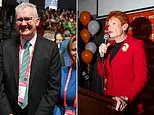
An Australian government speech on migration control was called off at the last minute due to internal divisions within the ruling Labor party over specific policy details. The announcement, which was meant to address concerns about overseas migration numbers, has been delayed until Parliament returns from its winter recess and the Prime Minister concludes his leave.
A political commentator argues that the postponement reveals the government's anxiety about political vulnerability, particularly in response to One Nation's growing electoral appeal. Rather than reflecting deliberate policymaking, the cancellation is characterised as evidence of a government scrambling to handle competing internal pressures and political challenges.
In short
- Home Affairs Minister Tony Burke cancelled a scheduled migration policy speech due to internal Labor government disagreement over key elements
- The announcement has been postponed until Parliament returns from winter recess and the Prime Minister concludes leave
- Columnist interprets the cancellation as evidence of government panic over One Nation's electoral rise on migration concerns
Steelman: both sides, in good faith
The strongest fair case each way — we don't pick a winner.
The case for
Those who see the postponement as evidence of political anxiety argue that a last-minute cancellation, timed so closely to renewed attention on One Nation's polling, points to a government rattled by the prospect of losing ground on migration to a resurgent minor party. On this view, sound policy announcements are rarely pulled at the eleventh hour unless internal disagreement has become politically dangerous, and the delay until Parliament resumes suggests leaders are recalculating their messaging under electoral pressure rather than simply refining detail. Commentators making this case value transparency and see reactive, poll-driven governance as a legitimate story in its own right, worth scrutinising on behalf of voters who expect clarity on migration settings.
The case against
Those more sympathetic to the government's handling argue that pausing a significant migration announcement to resolve internal disagreement is precisely what careful, collective decision-making should look like, rather than a sign of panic. Cabinet government depends on ministers reaching genuine consensus before major policy is unveiled, and rushing out a contested announcement merely to appear decisive could produce worse policy or embarrassing backtracks later. From this perspective, waiting until the Prime Minister returns and Parliament resumes reflects due process and respect for proper deliberation, and reading political fear into an ordinary scheduling delay may say more about a commentator's narrative than about the government's actual motives.
Explained simply
Australia’s federal government is led by the Labor Party, with Tony Burke serving as a senior minister. Migration policy covers rules for people moving to Australia, including temporary workers and international students; changes can affect population growth, employers and public services.
Pauline Hanson leads One Nation, a party that campaigns on reducing immigration and has attracted support from some voters concerned about migration levels. Labor faces debate within its own ranks about how to respond to those concerns while setting policy. The argument over the delayed speech sits within that broader political contest.