Politics news and discussion on TalkFuse.
Petrol cars should pay double for ‘the cost of their pollution’, electric vehicle advocates say
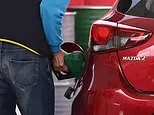
Australia’s leading electric vehicle advocacy group has proposed a universal road user charge based on vehicle weight and distance travelled. Petrol and diesel drivers would pay this charge alongside the existing fuel excise, effectively paying twice to account for both road wear and pollution, while EV drivers would also contribute towards road maintenance.
The proposed charge would be calculated at three cents per tonne-kilometre annually. A 2.1-tonne Toyota HiLux travelling 13,000 kilometres would pay about A$823, compared with A$379 for a 970kg Suzuki Swift Sport; Energy Minister Chris Bowen supports exploring such a system but says it requires further work and should not be rushed.
In short
- EV advocates propose a universal weight-and-distance road charge.
- Petrol and diesel drivers would also retain the fuel excise.
- Ministers support discussions but say implementation needs careful planning.
Steelman: both sides, in good faith
The strongest fair case each way — we don't pick a winner.
The case for
A universal weight-and-distance charge could make drivers contribute more directly to the road wear their vehicles cause, while ensuring electric vehicle drivers also help fund maintenance. Supporters argue that retaining fuel excise for petrol and diesel vehicles recognises their pollution costs, and that a gradual, carefully designed system could make transport funding fairer as the vehicle fleet changes.
The case against
Charging petrol and diesel drivers both fuel excise and a new road charge could impose overlapping costs, particularly if the new fee is presented as paying for road use while excise already raises substantial revenue from motorists. Critics could also argue that a weight-and-distance formula may burden people who rely on heavier vehicles or must travel long distances, so any reform should account for differing needs and be assessed carefully before adoption.
Explained simply
Australia funds road maintenance partly through fuel excise, a tax included in the price of petrol and diesel. Electric vehicles do not pay this tax, while their growing use is expected to reduce the amount raised from fuel sales.
The electric vehicle advocacy group wants all drivers to pay a charge linked to how heavy their vehicle is and how far it travels. Heavier vehicles cause more road wear, and the group says petrol and diesel drivers should also pay for pollution; Energy Minister Chris Bowen supports examining the idea, but says it needs more work.
The debate is about how to share the cost of roads as the mix of vehicles changes. Any new charge could affect drivers differently depending on their vehicle and how much they use it.
Elections Environment Politics Science World