Phantom Blade Zero is asking players to free up 300GB of space for pre-loading, double its actual 145GB file size
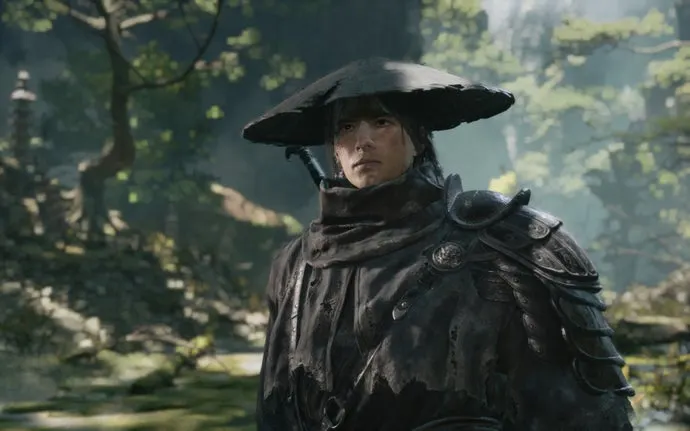
Phantom Blade Zero’s pre-load requires 300GB of free space, more than twice the 145GB the game occupies after installation. The large temporary space requirement could be a hurdle for players with limited storage, particularly as the game also requires an SSD.
Developer S-Game says temporary files and the complete game files must coexist while the pre-loaded data is unlocked, and the extra space is freed afterwards. The game arrives on PC and PS5 on 29 October; estimates suggest it has already sold more than 500,000 copies on Steam.
In short
- Pre-loading needs 300GB of free space.
- The installed game takes up 145GB.
- Phantom Blade Zero launches on 29 October.
Steelman: both sides, in good faith
The strongest fair case each way — we don't pick a winner.
The case for
Requiring 300GB temporarily can make pre-loading difficult for players with smaller drives, even though the game occupies only 145GB after installation. A lower peak storage requirement would make access easier and reduce the need to delete other files or buy additional storage.
The case against
The extra space is needed because temporary pre-load data and the complete game files must coexist while the data is unlocked, and it is freed afterwards. A large download and installation may also be a practical trade-off for delivering the game’s files reliably, provided players are told about the requirement in advance.
Explained simply
Phantom Blade Zero is an action role-playing game made by Chinese studio S-Game. It is set in a fictional world inspired by Chinese martial arts stories, where players fight using weapons and fast-paced combat.
The game is planned for release on PC and PlayStation 5. PC players need an SSD, a type of storage drive that can load data quickly; storage capacity may also matter because downloading and unpacking a game can temporarily require more space than the installed game itself.