Technology news and discussion on TalkFuse.
Philippines, Australia sign updated defence agreement
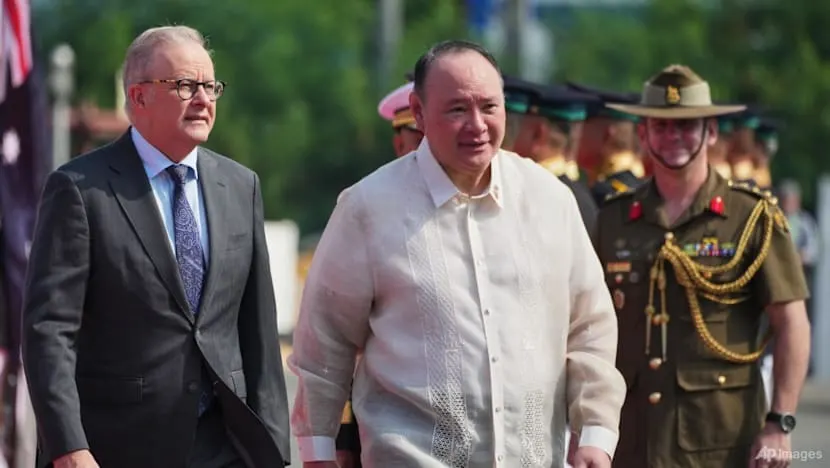
Australia and the Philippines have signed an updated defence pact intended to speed up military cooperation and strengthen deterrence amid China’s growing military presence in the region. The deal was signed in Manila alongside a leaders’ meeting, as the two countries expand cooperation in the strategically important South China Sea.
The agreement updates a decades-old memorandum and covers maritime activities, information-sharing and defence infrastructure. Philippine forces are expected to become more familiar with Australian equipment, helping joint training run more smoothly; a visiting forces agreement has allowed troops to train in each other’s countries since 2012. The Philippines and China have had repeated confrontations over disputed waters, which Beijing claims despite an international ruling rejecting its position.
In short
- Australia and the Philippines updated their defence pact.
- The agreement aims to speed up military cooperation.
- It covers maritime work, information-sharing and infrastructure.
Steelman: both sides, in good faith
The strongest fair case each way — we don't pick a winner.
The case for
Supporters argue that closer defence cooperation can help deter coercion, improve coordination in emergencies and make joint training more effective. They see information-sharing and familiarity with equipment as practical ways to strengthen the Philippines’ capacity to protect its maritime interests and deepen a partnership with Australia.
The case against
Sceptics argue that a stronger military alignment could heighten tensions with China and increase the risk that a local confrontation draws in outside partners. They may also question whether expanded defence ties will improve security more than diplomacy, and whether reliance on a close partner could narrow the Philippines’ room to manoeuvre.
Explained simply
Australia and the Philippines are neighbouring countries in the Asia-Pacific that have worked together on defence for decades. Since 2012, an agreement has allowed their troops to train in each other’s countries.
The South China Sea is an important route for shipping and fishing, and several governments claim parts of it. China and the Philippines have repeatedly clashed over access to disputed waters; an international tribunal rejected China’s claims in a 2016 ruling, which Beijing does not accept. Australia also has an interest in regional security and trade routes.