Politics news and discussion on TalkFuse.
Philly vile: How radicals took over the School District of Philadelphia
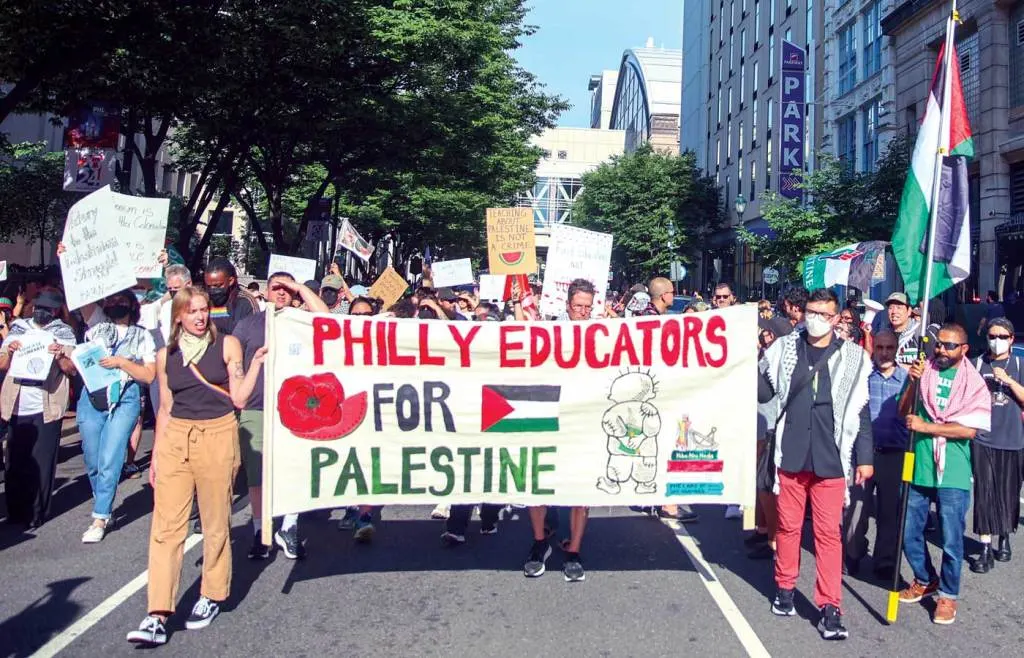
The article argues that a small network of politically radical educators gained influence over curriculum and policy in the School District of Philadelphia, contributing to antisemitic material and a hostile environment for Jewish pupils. It says weak oversight, limited curriculum transparency and pressure on school leaders allowed the influence to grow.
It centres on social studies curriculum director Ismael Jimenez and allies linked to teacher and activist organisations. A US House committee report said district employees helped develop curricula that justified violent resistance and legitimised groups that incite antisemitism; a federal civil rights investigation also found the district had received repeated notice of harassment but did not respond adequately. The article traces the organising effort to the Caucus of Working Educators, formed within the teachers’ union in 2014, and its later offshoot, the Racial Justice Organizing Committee.
In short
- A House report criticises antisemitism in Philadelphia school curricula.
- The article traces activist influence to a teachers’ group formed in 2014.
- Federal investigators found the district did not respond adequately to harassment.
Steelman: both sides, in good faith
The strongest fair case each way — we don't pick a winner.
The case for
Those concerned about the district’s approach argue that politically committed educators gained too much influence over curriculum without adequate checks, and that material legitimising violent groups or resistance can expose Jewish pupils to hostility. The reported failures to respond adequately to repeated harassment complaints strengthen the case for transparent curriculum review, effective civil-rights enforcement and clear accountability for school leaders.
The case against
A good-faith defence would caution that the article’s account of a small network should not be taken to show that educators’ organising or racial-justice work itself caused antisemitism. Curriculum can address political conflict and resistance without endorsing violence, while strong claims about influence and causation warrant scrutiny of the underlying evidence, context and district-wide practices; oversight should protect pupils without chilling legitimate teaching or advocacy.
Explained simply
The School District of Philadelphia runs the city’s public schools, including setting teaching policies and choosing what is taught. Its social studies curriculum director, Ismael Jimenez, and some educators linked to teacher and activist groups are central to concerns about how parts of the curriculum were developed.
The Caucus of Working Educators formed within the teachers’ union in 2014, and the Racial Justice Organizing Committee later grew out of that organising network. A US House committee report criticised some curriculum materials, while a federal civil rights investigation found the district had received repeated reports of harassment and did not respond adequately.
The dispute raises questions about who oversees teaching materials, how openly curriculum decisions are made and how schools address harassment. These issues matter to pupils, families and staff across the district, including its Jewish community.