World news and discussion on TalkFuse.
Phylicia Rashad on Her Historic Career and the Current State of TV: ‘If There’s Something on That I Don’t Like, I Simply Don’t Watch It’
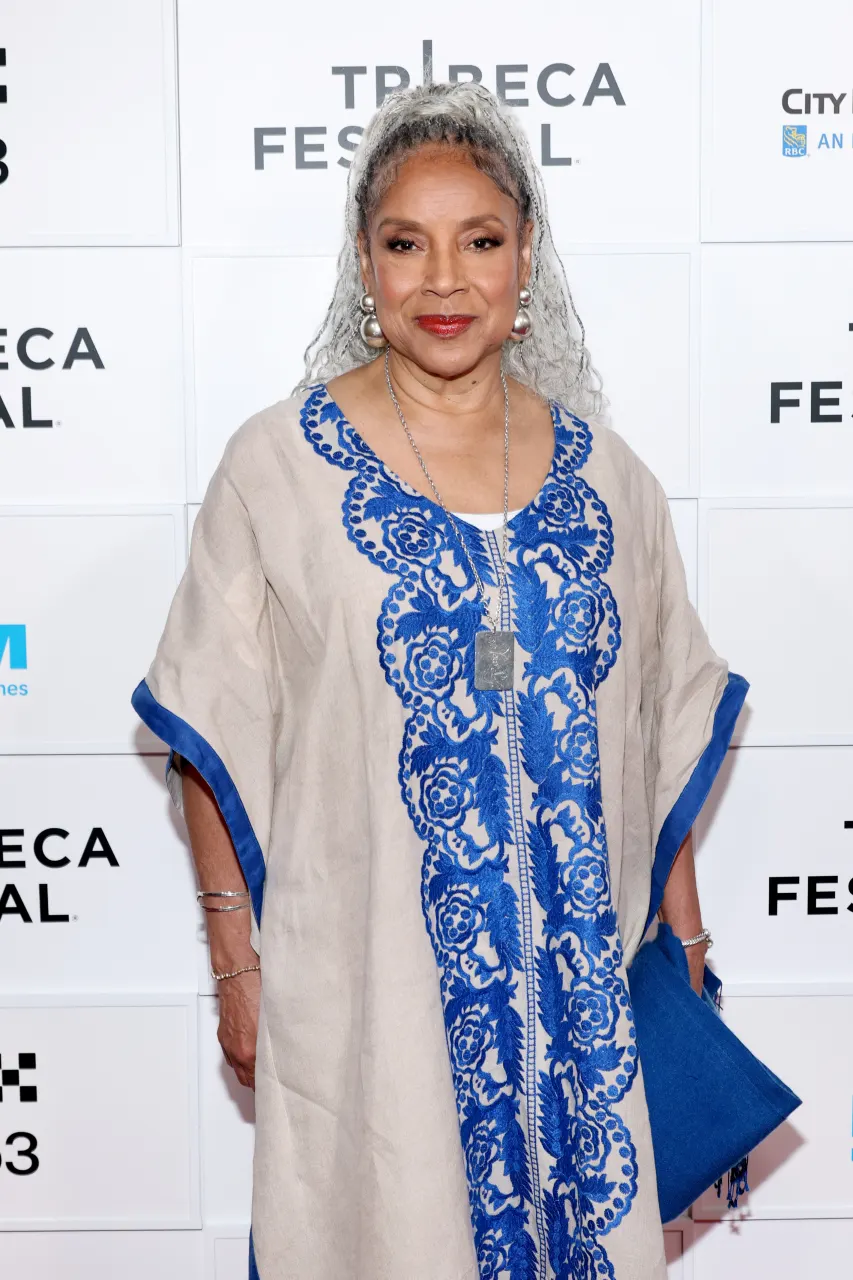
Phylicia Rashad reflected on her career, family heritage and approach to acting during a C-Suite Luncheon at the Martha’s Vineyard African American Film Festival. She said legacy is shaped by how people live, relate to others and pass values to younger generations, while stressing the importance of finding humanity in every role. Discussing television, Rashad said she chooses not to watch programmes she dislikes.
The event, sponsored by AARP, highlighted Rashad’s work from “The Cosby Show” to “The Gilded Age”, “Diarra From Detroit” and the “Creed” films, as well as her recent direction of the Tony-winning play “Purpose”. It also considered an AARP study finding that Black adults consume film, television and streaming content at higher rates than the wider US population. The research said viewers regard older Black women as influential cultural figures and feel more positive about ageing when they are represented on screen.
In short
- Rashad linked legacy to heritage, conduct and teaching younger generations.
- She said she simply avoids television she does not enjoy.
- AARP highlighted demand for authentic portrayals of older Black adults.
Explained simply
Phylicia Rashad is an American actor and director whose career spans television, film and theatre. Many viewers know her as Clair Huxtable in the 1980s sitcom The Cosby Show; later work has included the series The Gilded Age and films in the Creed franchise.
Rashad has spoken about family heritage and legacy as values passed between generations through everyday relationships. In acting, she says she looks for the humanity in each character, and she chooses not to watch television programmes she dislikes.
The Martha’s Vineyard African American Film Festival is an annual event showcasing films and conversations about Black life and culture. Research discussed there found that Black adults in the United States watch more film and television content than the population overall, and that screen portrayals of older Black women can shape views of both cultural influence and ageing.
Africa Art Business Celebrity Companies Culture Entertainment Film Geopolitics Music Politics World