Science news and discussion on TalkFuse.
Piddington migrant camp dealt another blow after discovery of one of world’s rarest bats at planned asylum site
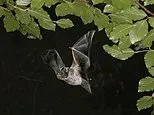
Plans to accommodate up to 1,256 asylum seekers at the former Ministry of Defence site near Piddington, Oxfordshire, may face further delays after wildlife experts detected endangered barbastelle bats there. The discovery could require extensive surveys and a Natural England licence, potentially halting or even preventing construction, while protected great crested newts have already caused environmental concerns.
The Home Office must establish the bats’ numbers and habitat before work can proceed. An ecologist said their presence could give the site national and European importance, and campaigners pursuing legal action argue it could force demolition or development to stop. Separately, Piddington residents voted 285 to 26 for “independence” from Britain, with a 92 per cent turnout; the symbolic vote has no legal effect but was intended to protest the asylum proposal.
In short
- Endangered barbastelle bats may delay or derail the asylum accommodation plans.
- Further surveys and a Natural England licence could be required.
- Piddington’s symbolic independence vote overwhelmingly opposed the proposal.
Steelman: both sides, in good faith
The strongest fair case each way — we don't pick a winner.
The case for
Protecting a rare, endangered bat and its habitat is a serious legal and environmental responsibility, and construction should not proceed until proper surveys establish the likely impact. If the site has national or European importance, delaying or changing the plans could prevent lasting ecological damage and ensure the government complies with conservation rules.
The case against
The need to protect wildlife should be weighed against the government’s responsibility to provide suitable accommodation for asylum seekers, and a discovery alone does not establish that development must stop. With thorough surveys, licensing and mitigation, it may be possible to protect the bats while using the site; avoidable delays could prolong reliance on other accommodation and increase costs.
Explained simply
The former Ministry of Defence site near Piddington, Oxfordshire, has been proposed as temporary accommodation for up to 1,256 people seeking asylum in the UK. The Home Office is responsible for the plans, which have drawn objections from some local residents and campaigners.
Barbastelle bats are a rare, protected species, and great crested newts are protected too. If either is found where building is planned, developers may need surveys and permission from wildlife authorities before work can go ahead.
The debate involves national plans for asylum accommodation, local concerns about the site and rules designed to protect wildlife. Piddington residents also held a symbolic vote to declare independence from Britain as a protest; it has no legal effect.
Environment Europe Research Science World