Pink Film Veteran Zeze Takahisa Champions Original Stories at Tokyo Masterclass
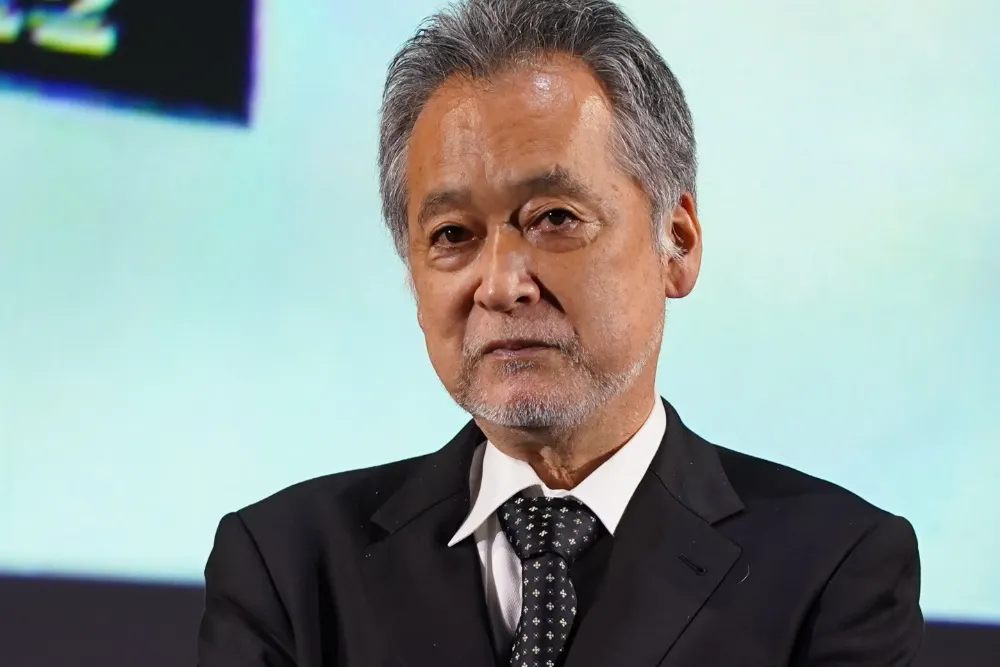
At a Tokyo International Film Festival masterclass, director Zeze Takahisa reflected on his early pink and independent films and argued for the value of original stories. His career shows how filmmakers could use the relative freedom of pink cinema to explore unconventional subjects before moving between independent and mainstream work.
Zeze began as an assistant director in 1986 and made his directorial debut in 1989, later becoming known as one of the “Four Heavenly Kings of Pink”. He said directors then had to include a bed scene roughly every ten minutes, but could still pursue politically sensitive ideas; his 2010 film *Heaven’s Story*, a 278-minute drama, won the Berlin festival’s FIPRESCI Prize. He also described a current reliance on adaptations as a challenge for filmmakers.
In short
- Zeze Takahisa used a Tokyo masterclass to champion original stories.
- Pink cinema gave directors room to explore unconventional subjects.
- His 278-minute *Heaven’s Story* won a Berlin festival prize.
Steelman: both sides, in good faith
The strongest fair case each way — we don't pick a winner.
The case for
Original stories give filmmakers more room to take creative risks, address subjects that may be politically sensitive and develop distinctive voices. Zeze’s experience suggests that constraints within pink cinema could coexist with artistic freedom, and that cinema benefits when directors can move between independent and mainstream work.
The case against
Adaptations can give filmmakers a proven story and an existing audience, helping producers manage the financial risks of making films. In a demanding industry, relying on source material may also free directors to focus on interpretation and craft, while original work can be harder to finance or bring to a wide audience.
Explained simply
Pink cinema refers to a strand of Japanese films made for adult audiences, often produced on tight budgets and with conventions such as regular intimate scenes. Some directors used the format’s room for experimentation to tackle subjects that might be difficult to explore in more commercial films.
Zeze Takahisa began working in film in the 1980s and became associated with a group of influential pink-film directors. He later moved between independent and mainstream filmmaking, and his long drama *Heaven’s Story* received an award at the Berlin film festival.
His career offers a way to understand how filmmakers can work across different parts of Japan’s film industry. The debate over original stories and adaptations matters because it concerns how new films are developed and what kinds of ideas reach audiences.