Politics news and discussion on TalkFuse.
Pink slime newsrooms are the fake news operations we need to talk about
Developed over time first seen 2 days ago
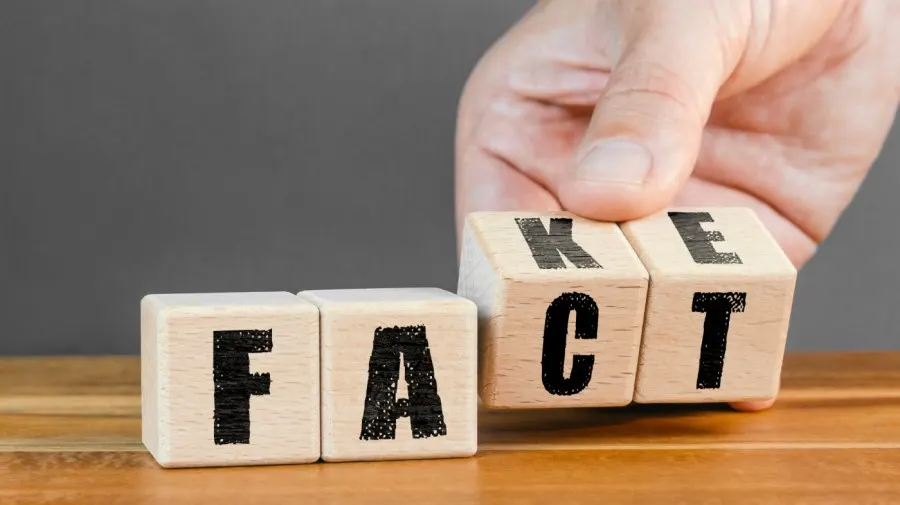
An opinion column published on 2 November 2026 warns that politically aligned websites are adopting the names and appearance of local news outlets while promoting stories through paid social media advertising. Often called ‘pink slime’ sites, these operations can make campaign messages look like independent reporting. The column points to networks on both the left and right and argues that their apparent local identity matters because Americans continue to place considerable trust in local news.
Recent research from Carnegie Mellon University supports the concern about scale and targeting. Its researchers examined 14,581 advertised posts from 310 Facebook pages linking to 383 domains, and found that spending rose sharply around the 2020 and 2024 elections. They identified different audiences and states targeted by politically aligned networks. The study examines advertising activity and online circulation; it does not establish how many voters changed their views or votes. It also does not justify treating every outlet with a political perspective as a deceptive operation: ownership, funding, disclosure and reporting practices matter when assessing an individual site.
- Sources
- 3
- Outlets
- 3
- Left · Centre · Right
- 0 · 0 · 1
In short
- Politically aligned sites can imitate trusted local news.
- Researchers found targeted Facebook advertising surged around elections.
- The evidence shows reach and targeting, not proven effects on votes.
How this story developed
- 4 hours ago An opinion column published on 2 November 2026 warns that politically aligned websites are adopting the names and appearance of local news outlets while promoting stories through paid social media advertising. Often called ‘pink slime’ sites, these operations can make campaign messages look like independent reporting.
- The Hill Pink slime newsrooms are the fake news operations we need to talk about
- Carnegie Mellon University Stealth Partisan Outlets Exploit Trust in Local Journalism
- Computational and Mathematical Organization Theory Pink slime journalism on Facebook: advertisement trends and political influence (2019–2024)
Steelman: both sides, in good faith
The strongest fair case each way — we don't pick a winner.
The case for
Sites that imitate local news can mislead readers about who is behind a message, while paid promotion can give campaign material the reach and appearance of independent reporting. Given the public’s trust in local outlets and the scale of advertising documented in the research, supporters of stronger scrutiny argue that clear disclosure and accountability are needed to protect informed debate.
The case against
Political advocacy and partisan reporting are legitimate parts of a pluralist media landscape, and a political viewpoint alone does not make an outlet deceptive. Critics of broad efforts to label or restrict these sites may argue that ownership, funding and reporting practices should be assessed individually, and that evidence of advertising or online circulation does not show that voters were persuaded or that every such outlet misrepresented itself.
Coverage · 3 sources
- The HillRightPink slime newsrooms are the fake news operations we need to talk about
- Carnegie Mellon UniversityStealth Partisan Outlets Exploit Trust in Local Journalism
- Computational and Mathematical Organization TheoryPink slime journalism on Facebook: advertisement trends and political influence (2019–2024)