Pirlo out of running for Italy job over link to Russian betting company
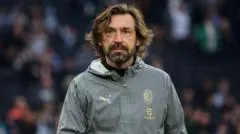
Andrea Pirlo has withdrawn as the front-runner for Italy's national football coach job after days of political backlash over his links to Russian betting firm Fonbet. Although the Italian Football Federation (FIGC) had not formally confirmed his appointment, it had been widely expected, but criticism from senior Italian and European politicians over his role as a Fonbet ambassador forced him out of contention. The row matters because it highlights ongoing sensitivity in Italy and Europe over public figures maintaining commercial ties to Russia following its invasion of Ukraine, and it has thrown the FIGC's coaching search, and possibly the tenure of new technical director Paolo Maldini, into disarray.
Pirlo, 47, became Fonbet's global ambassador last October; the firm has sponsored events involving veterans of Russia's war and hosted gatherings where Pirlo appeared alongside pro-Kremlin figures, including a Moscow event last spring attended by nationalist singer Shaman and Russian footballer Artem Dzyuba. Politicians including Carlo Calenda and European Parliament vice-president Pina Picierno condemned the proposed appointment, while Russia's ambassador to Rome defended Pirlo. In an Instagram post, Pirlo said his collaborations were purely commercial and sporting, denying any political intent. Maldini, in post only since 11 July, must now find a coach to lead Italy through a Nations League group featuring France, Belgium and Turkey and an attempt to qualify for Euro 2028, following the team's failure to reach the World Cup after defeat by Bosnia-Herzegovina in April.
- Pirlo pulls out of Italy coaching race amid Russian betting firm row
- Politicians criticised his role as Fonbet global ambassador
- FIGC's coaching search, and Maldini's position, now in turmoil
New here? Start with this
Andrea Pirlo is a retired Italian footballer who was being considered for the role of Italy's national team coach. The position is one of football's most prestigious jobs, and Pirlo was widely expected to be appointed to lead Italy through important upcoming tournaments. The Italian Football Federation had not yet formally confirmed his appointment when controversy emerged.
The controversy centres on Pirlo's commercial role as a global ambassador for Fonbet, a Russian betting company that he joined in October last year. Fonbet has sponsored events linked to Russia's invasion of Ukraine and has hosted gatherings where Pirlo appeared alongside figures close to the Russian government. Italian and European politicians publicly objected to these associations.
The dispute reflects broader unease across Italy and Europe about public figures maintaining business ties to Russia following its 2022 invasion of Ukraine. Such links are increasingly scrutinised by politicians and the public. The controversy has undermined Pirlo's candidacy for the coaching position, leaving Italy's football federation searching for an alternative.
Both sides, in good faith
The strongest fair case each way — we don't pick a winner.
The case for
Pirlo's role as a commercial ambassador should not be conflated with political endorsement or support for Russian state policy. His appearance at a Moscow event, whilst perhaps unwise in hindsight, was part of standard ambassador duties rather than evidence of political complicity. Withdrawing his candidacy based on business relationships sets a troubling precedent where individuals face career consequences for accepting commercial work, undermining both professional freedom and the principle that sporting roles should be judged on sporting merit.
The case against
Public figures holding positions of national prominence, particularly representing their country in football, must exercise proper judgment about which commercial ties they maintain during sensitive geopolitical periods. Fonbet's sponsorship of pro-war events and Pirlo's appearance alongside pro-Kremlin figures at a Moscow gathering demonstrated either poor judgment or insufficient concern about the implications of his associations. Italy and Europe's unified response to Russia's invasion reasonably demands higher standards from those in high-profile national roles.