Weird & Viral news and discussion on TalkFuse.
Plagiarism row professor ‘said he was on TV’s Seven Up’… before he was born
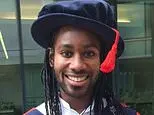
Cambridge academic Jason Arday, who rose to prominence as the university's youngest black professor, is facing renewed scrutiny after footage emerged of him apparently claiming to have appeared in the long-running television documentary series Seven Up. The 41-year-old was born two decades after the programme first aired in 1964, making the claim impossible, and the row adds to existing questions about his credibility after he admitted errors in his PhD thesis following plagiarism accusations.
In a 2022 talk to the University of Bath's Race Equality Taskforce, Arday said he had been part of a project "called Seven Up at the time" that tracked participants at seven, 14 and 21, claiming he was withdrawn aged 14; the BBC has confirmed he had "nothing to do with our films". A source close to Arday later said the reference was to an unrelated, informally named community initiative for black mothers, not the TV series, and accused critics of taking the remark out of context. The professor, appointed to Cambridge at 37, has also faced doubts over other claimed achievements, including running 600 miles in six days and raising millions for charity, but denies being a "liar".
In short
- Cambridge professor Jason Arday denies falsely claiming to be on TV's Seven Up
- He was born after the 1964 show began, so appearance was impossible
- Comes amid separate plagiarism allegations over his PhD thesis
Explained simply
Seven Up is a BBC documentary series that began in 1964. It follows a group of people from childhood into adulthood, returning to them at intervals; Jason Arday was born in 1983, so he could not have appeared in its early films.
Arday is a Cambridge sociologist whose appointment as a professor drew attention to his rise from a difficult childhood and his work on race and education. He has also faced scrutiny over errors in his PhD thesis after plagiarism allegations, and has acknowledged those errors.
The dispute matters because public claims about a prominent academic’s past can affect confidence in his work and in the institutions associated with him. In this case, people disagree about whether his reference to “Seven Up” meant the BBC series or a separate community project.