Plague mystery revives concerns over not-to-secret Russian bioweapons program
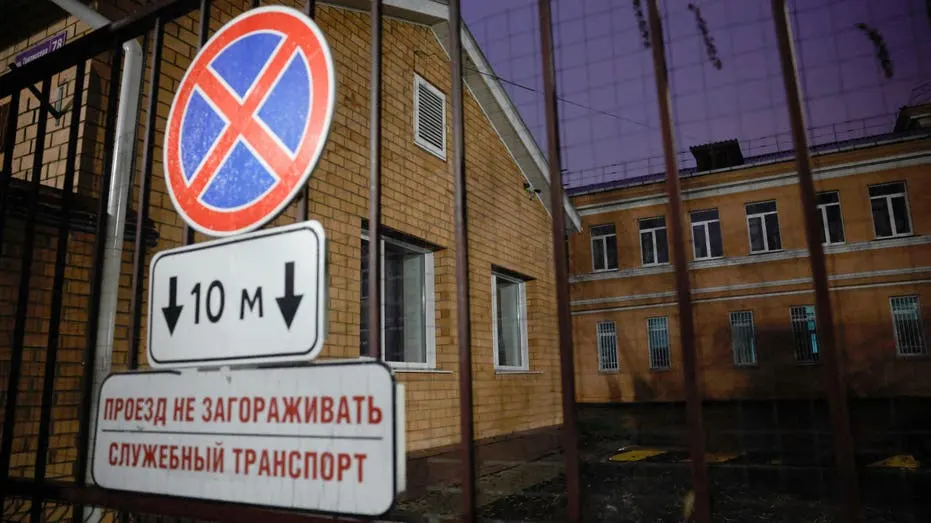
The unexplained death of a researcher at Russia’s Irkutsk Research Anti-Plague Institute has renewed scrutiny of the Soviet biological weapons programme, which the United States says Russia inherited and continued. Former US arms control envoy Marshall Billingslea says Moscow should explain the institute’s activities, though he has seen no evidence linking the death or the institute today to weapons work.
A 2025 US State Department report said the Soviet programme was “absorbed, not dismantled” and assessed that it had continued and evolved, in breach of the Biological Weapons Convention. Billingslea cited former Soviet official Ken Alibek’s accounts of research into making plague more resistant to antibiotics and harder to treat, and said other sources supported the broad outline. The article provides no evidence that the Irkutsk researcher’s death was connected to that research.
- A researcher’s unexplained death has renewed scrutiny of Russia’s Soviet-era weapons programme.
- The US says Russia’s offensive biological weapons programme continues.
- No evidence links the death or the institute to biological weapons work.
New here? Start with this
The Soviet Union developed an extensive biological weapons programme during the Cold War, researching how to weaponise infectious diseases including plague. This programme operated across multiple research institutes and represented one of the world's most comprehensive bioweapons efforts.
The Soviet Union was a signatory to the 1972 Biological Weapons Convention, which bans the development and stockpiling of biological weapons. Russia inherited this treaty obligation when it became the successor state after the Soviet Union's collapse. However, the United States has assessed that rather than being dismantled, the programme was absorbed into Russian research institutions and has continued to operate.
Concerns persist about the activities of Russian biological research institutes today, particularly those that originated as part of the Soviet programme. The question of whether Russia remains in compliance with its international treaty obligations remains a point of contention between Moscow and Western governments.
Both sides, in good faith
The strongest fair case each way — we don't pick a winner.
The case for
Russia inherited the vast Soviet biological weapons programme's infrastructure, expertise and personnel. A 2025 US State Department assessment claims this programme was 'absorbed, not dismantled' and has continued in breach of the Biological Weapons Convention, with historical accounts from former Soviet officials documenting sophisticated weaponisation research into antibiotic-resistant plague. Russia's documented opacity regarding its biological institutes, combined with the absence of verifiable dismantling, reasonably justifies international scrutiny and demands for transparent clarification.
The case against
The article explicitly states there is no evidence connecting the Irkutsk researcher's death or current institute work to weapons programmes, yet uses this tragedy to revive unproven allegations. Treaty violations require substantive evidence, not inference from historical precedent or lack of institutional transparency; biological research institutes conduct legitimate defensive and public health work. Without concrete proof, assuming weapons programmes rather than defensive research establishes a troubling precedent where nations face suspicion based on silence rather than demonstrated wrongdoing.