World news and discussion on TalkFuse.
PlayStation is getting “most” of Sony’s estimated $508 million tariff refund, but despite lawsuits there are no apparent plans to give refunds for price-hiked PS5s
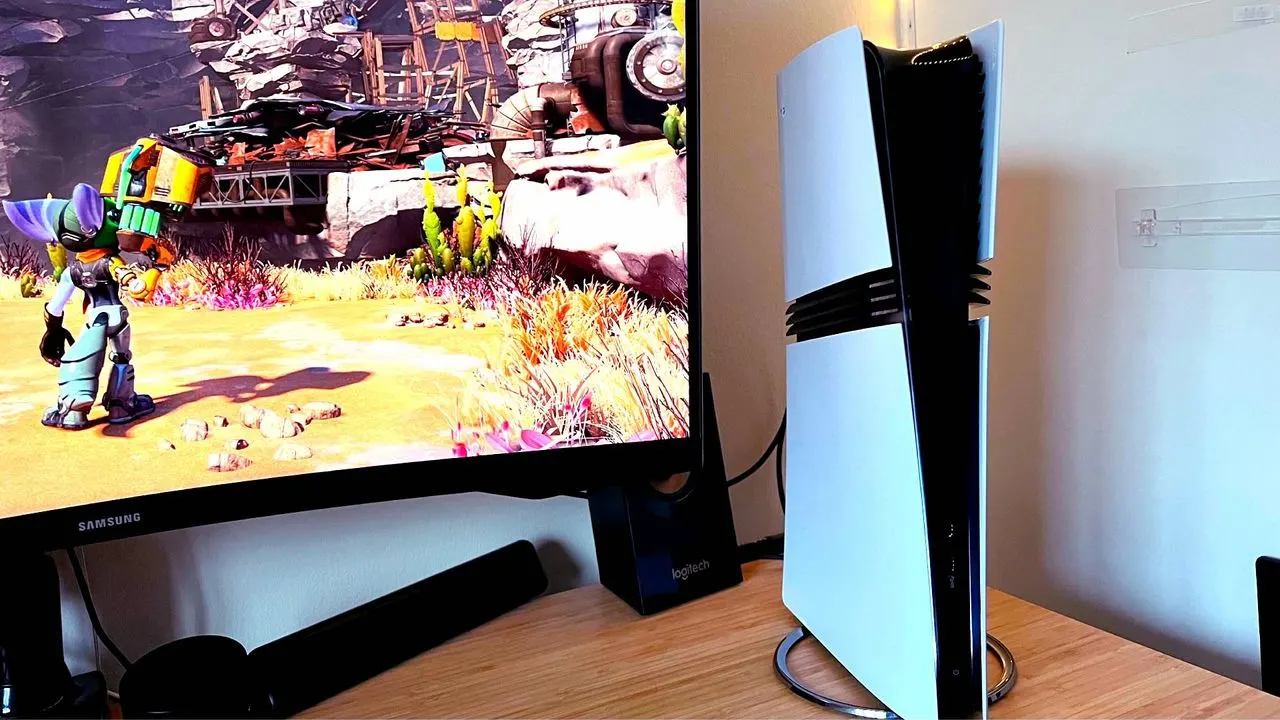
Sony is set to receive the bulk of an estimated $508 million (roughly £395 million) in refunds tied to US tariffs, with PlayStation's hardware business identified as the primary beneficiary of the recovered funds. The disclosure comes despite Sony having raised PS5 prices in several regions this year, moves it explicitly attributed to a "challenging economic environment" including tariffs, and follows lawsuits from consumers who argue they were overcharged as a result. Sony has given no indication that any of the refunded money will be passed back to customers who paid the higher, tariff-justified prices.
The $508 million figure stems from Sony's own financial forecasting around US tariff impacts, and the company has said PlayStation will absorb "most" of the benefit once the refund materialises. Sony raised PS5 prices in the US, Europe, Japan and other markets earlier this year, citing tariffs and broader economic pressures, prompting at least one lawsuit alleging the price hikes were unjustified or the tariff costs were not genuinely passed on as claimed. With Sony seemingly retaining the refunded sum rather than reimbursing affected buyers, the situation is likely to intensify scrutiny and legal pressure over how tariff-related cost claims were used to justify consumer price increases.
In short
- Sony expects most of a $508m tariff refund to go to PlayStation.
- Sony raised PS5 prices this year, citing tariffs as a factor.
- No refunds planned for consumers despite lawsuits over the price hikes.
Steelman: both sides, in good faith
The strongest fair case each way — we don't pick a winner.
The case for
Sony explicitly attributed PS5 price increases to tariff costs, placing the burden directly on consumers who paid the higher prices. Now that the company is receiving a substantial refund on those same tariffs, fairness suggests this financial benefit should be returned to customers whose purchases bore the original cost. When the stated justification for a price increase proves unnecessary, basic honesty in commercial dealing requires reconsideration of that pricing decision.
The case against
Sony faced genuine cost uncertainty when setting prices in a complex tariff environment, and raising prices was a reasonable business response to real economic pressures at that time. Companies are not obligated to retroactively refund customers whenever external circumstances improve; businesses deserve to benefit when they navigate uncertainty successfully. Requiring retrospective price adjustments for cost fluctuations would create administrative chaos and undermine the pricing stability necessary for prudent business decision-making.
Explained simply
Sony makes PlayStation, including the PS5, and sells its consoles in markets around the world. Tariffs are taxes on imported goods, and companies may face higher costs when products or parts cross borders.
Earlier this year, Sony raised PS5 prices in several regions and cited tariffs among the economic pressures behind the decision. The increases led to legal claims from some consumers, who question whether the charges were justified.
The issue matters because Sony has forecast a large refund linked to US tariffs, with PlayStation expected to receive most of the benefit. How the money is handled may draw further attention to the link between import costs, console prices and what buyers were told.