Culture news and discussion on TalkFuse.
Please Let the Internet Die
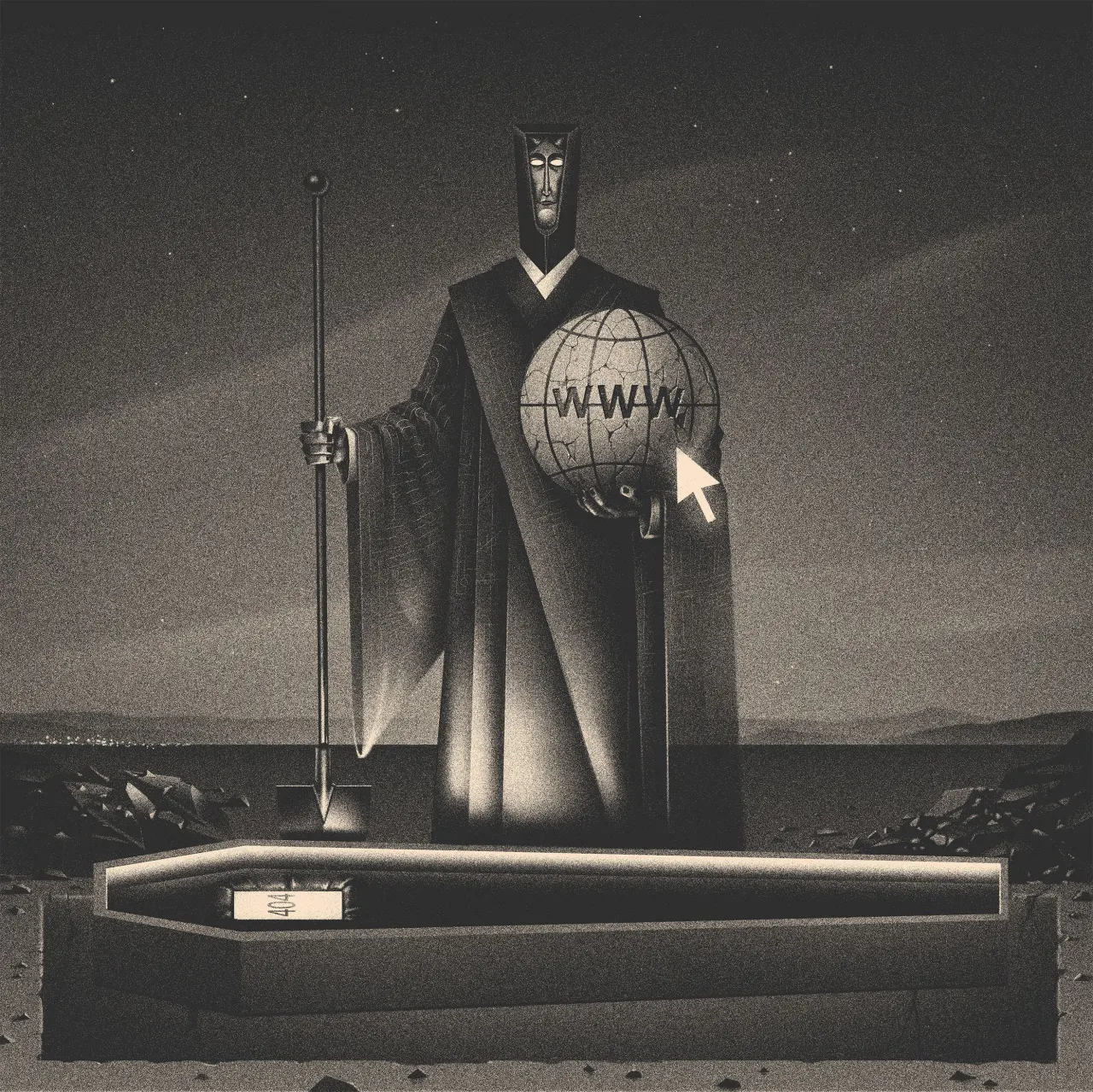
The article argues that today’s internet has become a hostile, commercially driven space, marked by privacy and mental health concerns, addictive design, extremist content and a flood of low-quality AI material. It suggests the web’s current form may be beyond repair, and asks readers to consider what should be allowed to fade and what is worth preserving.
The piece discusses “Dead Internet Theory”, the idea that bots now account for much online activity, citing a cybersecurity firm’s estimate that agent traffic rose by 8,000 per cent through 2025. It also draws on a book by West, which argues that the internet is smaller and more fragile than people assume, and has repeatedly changed through cycles of disruption and renewal. The article contrasts today’s attention-driven platforms with earlier, more personal online communities.
In short
- The article says today’s web is increasingly shaped by manipulation and low-quality content.
- A cybersecurity firm reported agent traffic rose 8,000 per cent through 2025.
- It asks what parts of the internet are worth preserving.
Steelman: both sides, in good faith
The strongest fair case each way — we don't pick a winner.
The case for
The internet’s current structure may be doing more harm than good: platforms often profit from capturing attention, while exposing people to privacy risks, addictive design, extremist material and increasingly synthetic content. Letting parts of this system fade could create space for smaller, more human online communities and a healthier digital culture.
The case against
The internet remains a vital infrastructure for communication, learning, creativity and civic participation, and its flaws do not mean it is beyond repair. Abandoning or allowing it to decay could weaken useful connections and leave more control to powerful institutions; reforming platform incentives, protecting users and supporting better online spaces may preserve its benefits while addressing its harms.
Explained simply
The internet began as a network for sharing information, but it has changed as more people, businesses and services have moved online. Many popular sites now rely on advertising and user attention to make money, while earlier online spaces often centred on smaller communities and personal websites.
“Dead Internet Theory” is the claim that bots and automated accounts now make up much of online activity. The article also draws on a book by West, who describes the web as less vast and resilient than it may seem, and argues that it has changed through repeated cycles of disruption and renewal.
These changes matter because people use the internet for news, conversation and everyday services, while concerns have grown about privacy, mental health, extremist material and automated content. The debate is about which parts of the web are worth keeping and how online spaces might change.
AI Art Celebrity Culture Entertainment Health Mental Health Space Technology