1836 workhouse punishment may have inspired Oliver Twist scene
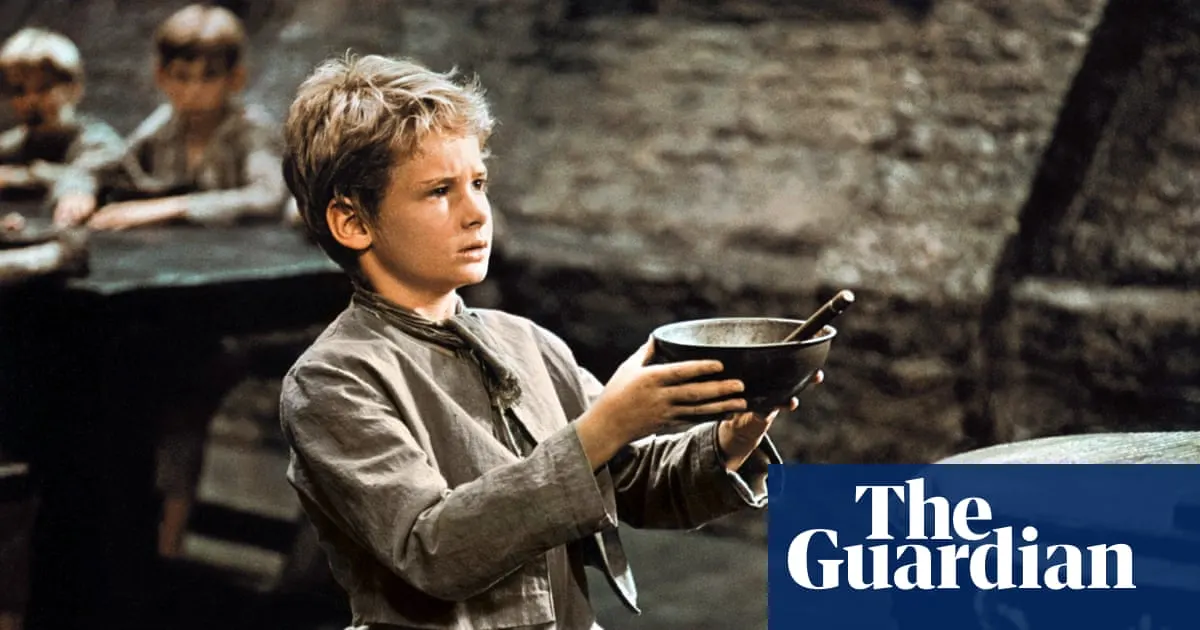
Historian Theresa Musgrove has discovered newspaper records of Alice Shepherd, a young woman punished in 1836 for asking permission to walk outside a Hendon workhouse. The discovery suggests Shepherd may have been the inspiration for Oliver Twist's famous scene, in which the fictional orphan is severely punished for asking for more gruel. This finding provides potential evidence linking Dickens's most iconic novel to a real incident of workhouse brutality in Victorian London.
Shepherd was subjected to solitary confinement and starvation on a bread and water diet following a magistrate's order, punishments that closely mirror those described in Dickens's 1837 novel. Dickens began writing Oliver Twist in January 1837, just weeks after Shepherd's case was reported in newspapers, and Hendon is mentioned in the novel itself. Musgrove's findings appear in her new book, Charles Dickens and his Hidden Family History, published this week by Pen & Sword Books.
- Historian discovers 1836 records of workhouse punishment possibly inspiring Oliver Twist
- Young woman Alice Shepherd was punished for asking permission to take a walk
- Dickens began writing the novel weeks after the real incident was reported
New here? Start with this
Oliver Twist is Charles Dickens's 1837 novel about an orphan boy raised in a workhouse – a place where poor people without family support were sent to live in harsh conditions. The book contains a famous scene in which young Oliver is severely punished for asking for more gruel at mealtimes, a moment that has defined how readers understand Victorian cruelty towards orphans and the poor.
Workhouses were a real feature of Victorian Britain, designed to provide food and shelter to the destitute but often operating with brutal discipline and minimal care. Conditions were deliberately harsh, with meagre meals and strict rules, in the hope of discouraging people from becoming dependent on them.
Historian Theresa Musgrove has discovered newspaper records of a young woman named Alice Shepherd who was punished in 1836 at a workhouse in Hendon, London, for asking to walk outside. She received solitary confinement and a bread and water diet – punishments remarkably similar to those in Dickens's novel. Because Dickens began writing Oliver Twist just weeks after these newspaper reports appeared, and because Hendon is mentioned in the book itself, Musgrove's research suggests the real incident may have directly inspired one of literature's most famous scenes.
Both sides, in good faith
The strongest fair case each way — we don't pick a winner.
The case for
This discovery represents compelling circumstantial evidence worthy of serious scholarly consideration. The temporal proximity—Dickens beginning his novel mere weeks after the incident was reported in newspapers—combined with Hendon appearing in the finished work and the striking parallel in the specific punishment method, suggests plausible influence. Whilst workhouse brutalities were widespread, this documented case presents a remarkable convergence of details that reasonably justifies considering it as a probable inspiration for Dickens's most iconic scene.
The case against
Whilst the discovery is historically interesting, the evidence remains insufficient to establish definite causation. Bread-and-water punishments and solitary confinement were routine workhouse practices extensively documented in numerous cases during the period. Without direct evidence that Dickens encountered these specific newspaper reports, attributing the Oliver Twist scene to this particular incident risks mistaking correlation for causation. The scene's enduring power derives from its depiction of systematic brutality commonplace throughout Victorian workhouses, which Dickens could have learned about through numerous sources.
Read the full article at the source →
Originally published by The Guardian as “Please, sir, can I have a walk? Dickens biographer finds likely inspiration for Oliver Twist”.