Please state the nature of the medical emergency: Google is building a robot medic for NASA
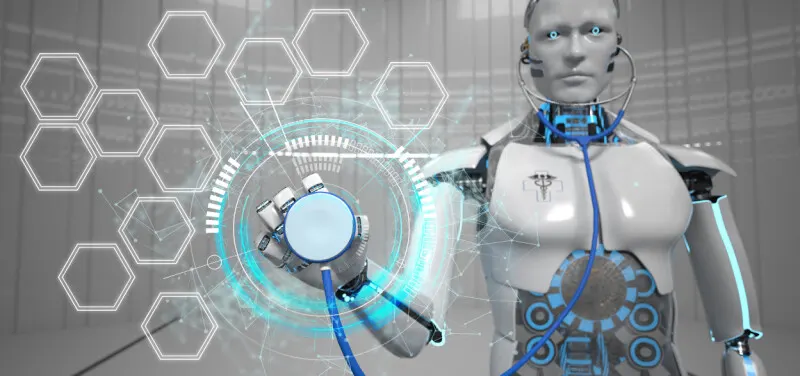
Google and NASA are developing a robotic assistant to support astronauts on future deep-space missions, where long communication delays could make timely medical advice from Earth impossible. The robot is intended to help a human crew medical officer with practical tasks, rather than make medical decisions on its own.
The project builds on Google’s AI medical decision-support system, which is being evaluated on Earth-based copies of International Space Station computers and is designed to run locally. The proposed robot could fetch equipment, handle cargo and maintenance, and assist with basic checks such as taking vital signs or capturing ultrasound scans under human supervision. It remains a proof of concept: early lab tests reported an 85 per cent success rate at locating and moving a medical bag, and Google has not confirmed that a fully integrated, space-ready robot exists.
In short
- Google and NASA are exploring a robot to assist astronauts with medical and routine tasks.
- The system is meant to support a human medical officer, not replace one.
- Early lab tests achieved an 85 per cent success rate moving a medical bag.
Steelman: both sides, in good faith
The strongest fair case each way — we don't pick a winner.
The case for
A supervised robotic assistant could help crews respond to illness or injury when distance and communication delays limit support from Earth. If it can reliably fetch equipment and assist with basic checks, it could give the crew medical officer more time to assess and treat the patient, while local AI support may add useful guidance.
The case against
Even as a helper, a medical robot could create risks if its equipment handling, measurements or software are unreliable in the unusual conditions of space. The reported results are early and limited, so investing in the system may divert attention from other ways to prepare crews; human supervision and clear limits would remain essential.
Explained simply
Crews travelling far from Earth may have to wait a long time for a reply from doctors on the ground because radio messages take time to travel. Spacecraft also have limited medical equipment, and astronauts cannot easily leave a mission to seek care.
NASA is the US space agency, and Google is a technology company developing AI tools. Their project combines medical decision support, which is being tested on Earth, with the idea of a robot that could help a crew medical officer carry out practical tasks.
A human would remain responsible for medical decisions, while a robot could fetch supplies or help with checks such as taking vital signs. The work is still at proof-of-concept stage, so it does not yet mean a space-ready medical robot is available.