Poland looks to economic heights in a country transformed since Soviet days
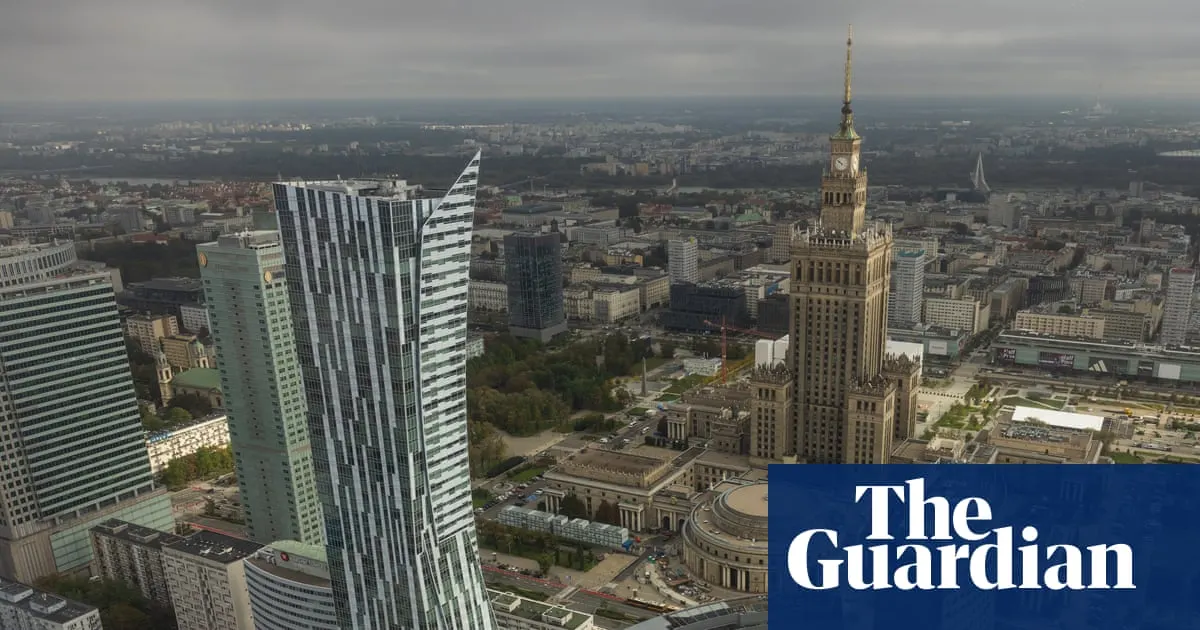
Poland has moved from the economic hardship of communist rule to a fast-growing economy, with incomes rising towards western European levels. The change is reshaping the country’s role in Europe, drawing back some people who once left to find better-paid work abroad.
National income topped $1tn last year, and income rose from 40% of the EU average in the mid-1990s to 81% last year. Poland’s transition to democracy, followed by joining Nato in 1999 and the EU in 2004, helped drive growth. Since 2021, twice as many Poles have left the UK each year as arrived, while Germany recorded more non-Germans moving to Poland than the other way round in 2024.
- Poland’s economy has grown sharply since the end of communist rule.
- Income reached 81% of the EU average last year.
- Some Poles are returning as opportunities at home improve.
New here? Start with this
For decades after the Second World War, Poland was governed under communism and had a centrally planned economy, with limited political freedoms and lower living standards than western Europe. In 1989, it began a transition to democracy and a market economy, changing how businesses operated and how the country traded.
Poland joined Nato, the military alliance, in 1999 and the European Union in 2004. EU membership opened access to a larger market and investment, while rising incomes have narrowed the gap with wealthier European countries.
Many Poles moved abroad after the transition to find work, including in the UK and Germany. As pay and opportunities in Poland have improved, some people have returned, changing the movement of workers between Poland and other European countries.