Politics news and discussion on TalkFuse.
Poland’s constitutional crisis deepens as Prime Minister Tusk faces accusations of power grab
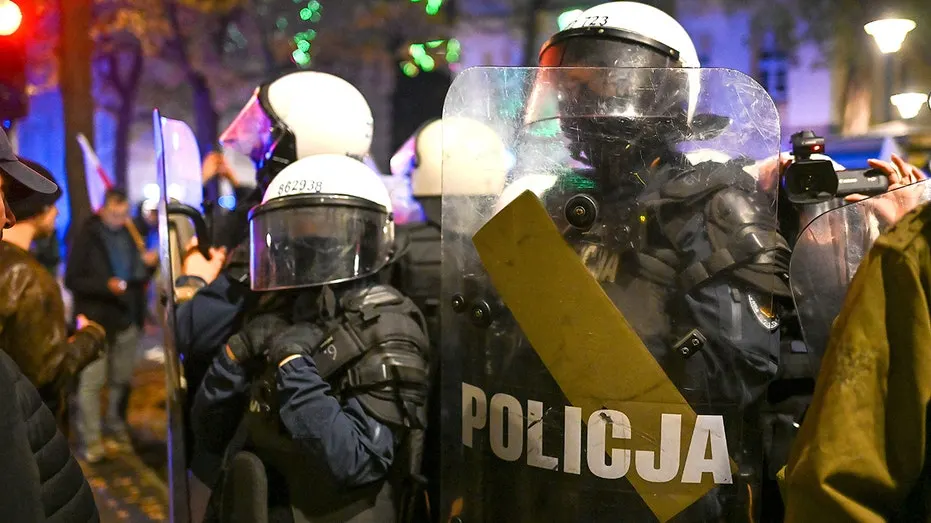
A late-night dispute at Poland’s Constitutional Tribunal has intensified a long-running conflict over whether Prime Minister Donald Tusk’s government is restoring judicial independence or exceeding its constitutional powers. The tribunal suspended its president, Bogdan Święczkowski, prompting protests and sharp accusations from political opponents, while other observers say the court’s problems predate Tusk’s government.
The confrontation led President Karol Nawrocki to cut short a trip to Senegal, and police detained three people after clashes with demonstrators. At least three Polish ambassadors have resigned in protest, including the country’s UN representative, according to an official in the president’s office. The article describes a years-long dispute over judicial appointments and reports differing views on the legality and purpose of the government’s actions.
In short
- Poland’s court dispute has intensified its constitutional crisis.
- The tribunal suspended its president, Bogdan Święczkowski.
- Three ambassadors have resigned in protest.
Steelman: both sides, in good faith
The strongest fair case each way — we don't pick a winner.
The case for
Supporters of Tusk’s government argue that years of contested judicial appointments have damaged the Constitutional Tribunal’s independence, and that corrective action is needed to restore the rule of law. They may see the suspension and other steps as part of that effort, while noting that the tribunal’s difficulties predate the current government.
The case against
Critics argue that a government cannot restore judicial independence by taking steps that exceed its own constitutional authority or weaken the tribunal’s autonomy. They may view the suspension of its president as a politically driven power grab that deepens institutional conflict, regardless of the court’s earlier problems.
Explained simply
Poland’s Constitutional Tribunal rules on whether laws comply with the constitution. Disputes over who may appoint judges and how the court should be run have made it a focus of a wider argument about the balance of power between elected leaders and the judiciary.
Donald Tusk’s government took office after years in which the previous Law and Justice government changed the rules for courts and made appointments that critics said weakened judicial independence. Tusk’s supporters say changes are needed to restore the courts’ independence; opponents say his government must also follow constitutional limits.
President Karol Nawrocki and the tribunal are among the other key players in the dispute. It matters because the outcome could affect how Poland’s laws are reviewed and how much trust people place in its courts.