Polanski’s make-or-break moment: Polls close in Holborn by-election that could make him latest Green MP or trigger campaign to oust him as leader
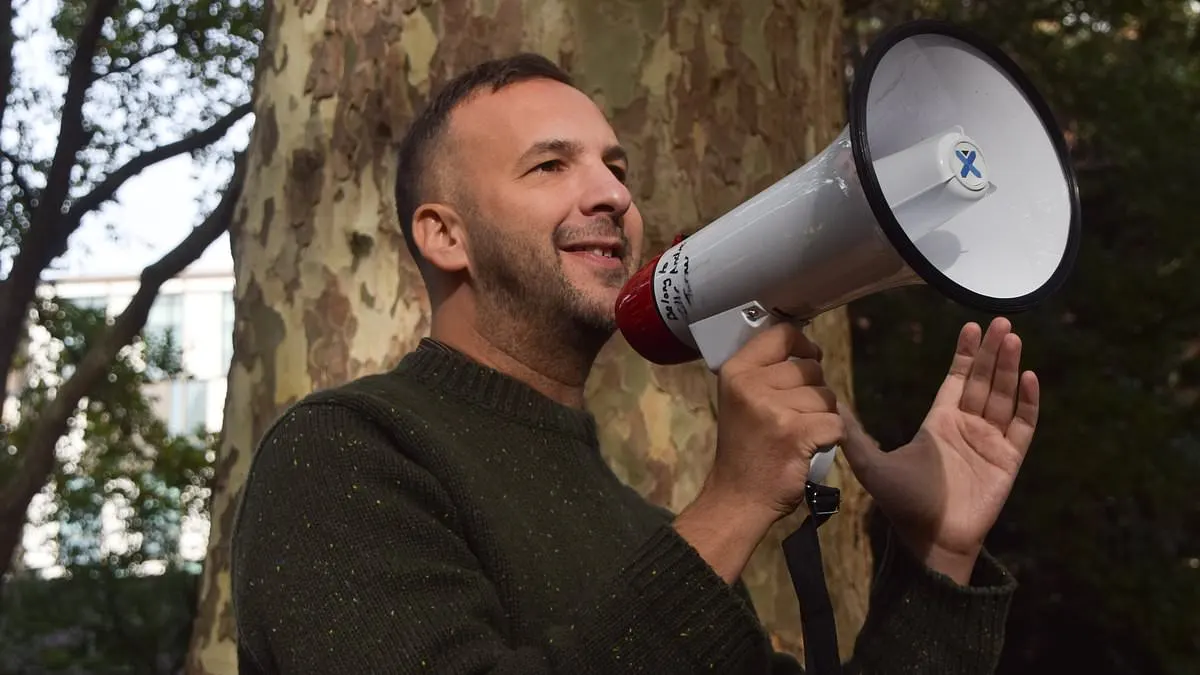
Zack Polanski’s leadership of the Green Party could come under renewed scrutiny after polls closed in the Holborn & St Pancras by-election, where he is standing to replace Keir Starmer. Labour candidate Sagal Abdi-Wali was the favourite, and a defeat for Polanski, particularly a heavy one, could prompt questions about the party’s direction under his leadership.
Polanski said he believed he could win, pointing to a projection putting Labour on 40.4 per cent and the Greens on 35.6 per cent. A victory would make him the Greens’ sixth MP; the party currently has five. The seat has been held by Labour since its creation in 1983: Starmer won it in 2024 with 48.9 per cent, while the Greens received 10.4 per cent.
- Polanski is contesting Labour’s long-held Holborn & St Pancras seat.
- Labour’s Sagal Abdi-Wali is the favourite.
- The result could shape debate over Polanski’s leadership.
New here? Start with this
A by-election has been triggered in Holborn & St Pancras because the seat's previous holder, Keir Starmer, is no longer representing the constituency. A new MP must now be elected to represent the area.
Zack Polanski is standing for the Green Party in the by-election and is the Greens' leader. His main rival is Labour's Sagal Abdi-Wali, who is widely considered the favourite to win the seat.
The seat has been held by Labour since its creation in 1983. In the 2024 election, Starmer won with 48.9 per cent of the vote whilst the Greens received 10.4 per cent, yet current polling suggests the Greens could now reach around 35.6 per cent. A victory for Polanski would give the Greens their sixth MP in Parliament, whilst a heavy defeat could prompt questions about his leadership of the party.
Both sides, in good faith
The strongest fair case each way — we don't pick a winner.
The case for
The Green Party's polling at 35.6 per cent represents a substantial 25-point improvement from their 2024 showing of 10.4 per cent, indicating genuine momentum and a competitive contest. Polanski's leadership should be evaluated on long-term direction and overall electoral performance rather than a single by-election; a strong showing would validate the strategy of pursuing winnable seats and demonstrate the party's growing appeal. Democratic competition requires parties to contest elections where they have genuine prospects, and the Greens are justified in pursuing this opportunity.
The case against
Labour remains ahead in the projection at 40.4 per cent, and the Green target still requires displacing the party that won the seat decisively in 2024 with 48.9 per cent. A heavy defeat would damage Polanski's authority as leader and raise substantive questions about whether the party deployed its limited resources optimally, particularly when those resources might have been more strategically concentrated elsewhere. The significant risk of a damaging outcome, combined with the statistically unlikely prospect of victory, makes this an imprudent gamble with the party's reputation and resources.