World news and discussion on TalkFuse.
Report warns police staff groups risk undermining forces’ political impartiality
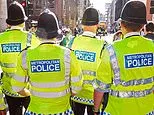
A Policy Exchange report has raised concerns that police staff associations may be straying into political and ideological debates, potentially undermining public confidence in police impartiality. The concern follows a report by the National Association of Muslim Police that criticised Israel and questioned accounts of Hamas’s actions during the 7 October attacks; the association later removed it, saying the views were those of a former office-holder.
The report says there are more than 200 police staff networks, with limited oversight, and alleges that some have promoted controversial speakers or views. It criticises the National Police Chiefs’ Council for weakening proposed impartiality rules and calls for a new Police Impartiality Act covering forces, associations and members. Supporters say networks should focus on staff welfare, while the Muslim police association has distanced itself from the disputed report.
In short
- Policy Exchange warns some police networks may threaten perceived impartiality.
- Muslim police association removed a report criticising Israel and defending Hamas.
- Report calls for legislation governing police staff associations.
Steelman: both sides, in good faith
The strongest fair case each way — we don't pick a winner.
The case for
Police staff networks can provide support, representation and a sense of belonging, but their links to police forces may give political or ideological statements the appearance of institutional endorsement. With more than 200 groups and limited oversight, clear impartiality rules could protect public confidence and ensure consistent standards; a law could extend those standards across forces and associations.
The case against
Staff associations can give minority officers a forum to raise concerns and support colleagues, and a controversial statement by a former office-holder does not necessarily represent a whole association. Broad legal restrictions or tighter oversight could chill legitimate discussion and staff welfare work, so any response should be proportionate and distinguish personal views from official police positions.
Explained simply
Police staff associations are groups for officers and other police employees, often organised around shared backgrounds or experiences. They can offer support and raise workplace concerns, while police forces are expected to serve the public fairly and without political bias.
The National Association of Muslim Police is one such group. It removed a report about Israel and the 7 October attacks after saying it reflected the views of a former office-holder, rather than the association’s position.
Policy Exchange says more than 200 staff networks have limited oversight and argues that clearer rules are needed to protect confidence in policing. The debate is about how to balance staff support and freedom of expression with the need for police organisations to remain impartial.
Read the full article at the source →
Originally published by Daily Mail as “Police impartiality ‘under threat from Muslim staff groups who defend Hamas’”.