Culture news and discussion on TalkFuse.
Police keep the peace after protesters confront travellers who ripped up wildlife haven in ‘bank holiday land grab’
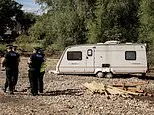
Police have maintained a presence at a field in Sawbridgeworth, Hertfordshire, after residents confronted travellers who moved onto the wildlife site and began construction work over the August bank holiday weekend. Hundreds of angry locals camped overnight on the land near Rod Stewart's Durrington House estate to halt the works, and their protest succeeded on 31 August when those carrying out the development left following a visit from police and council officials. The case has drawn political attention, with the local MP calling for stronger legal powers for councils to tackle such unauthorised development quickly.
East Hertfordshire District Council issued a Temporary Stop Notice on 29 August and secured a High Court injunction after heavy machinery, diggers and fencing appeared on the greenbelt land, which has no planning permission for development and is home to muntjac deer. Aerial images showed a concrete base laid and the site divided into five plots, with caravans present despite the injunction, though police said no arrests were needed as those without authorisation left peacefully. Officers and equipment, including four diggers, remain on site pending a court hearing scheduled for 15 September, with the council seeking an earlier date given ongoing concerns.
In short
- Residents halted travellers' unauthorised works on Hertfordshire wildlife site
- Council won High Court injunction after diggers, fencing appeared
- Court hearing set for 15 September; police remain on site
Steelman: both sides, in good faith
The strongest fair case each way — we don't pick a winner.
The case for
Councils need effective powers to stop unauthorised building quickly, especially on protected greenbelt or wildlife land where damage may be difficult to reverse. Prompt enforcement can uphold planning rules, protect local habitats and reassure residents that the law applies consistently.
The case against
Enforcement should still be proportionate and respect due process, including the rights of people living in caravans and any legitimate claims they may have to the land. Stronger or faster powers could risk dispossessing people or restricting their ability to challenge decisions, so councils should act on clear evidence and provide fair legal review.
Explained simply
Green belt is land around built-up areas that is protected from most development. Planning permission is normally needed before land can be built on or changed, and councils can use stop notices and court orders to halt work they believe is unauthorised.
East Hertfordshire District Council is responsible for planning enforcement in Sawbridgeworth, while Hertfordshire Police maintain public order. The land is also described as a wildlife site, with muntjac deer living there, and nearby residents have opposed the work.
The dispute raises questions about how quickly councils can respond when development starts without permission, and how they balance enforcement with keeping tensions under control. The local MP has called for stronger powers for councils.
Culture Environment Science Travel World