Police learned of Nicola Sturgeon’s new Covid rules by watching her TV briefings, inquiry hears
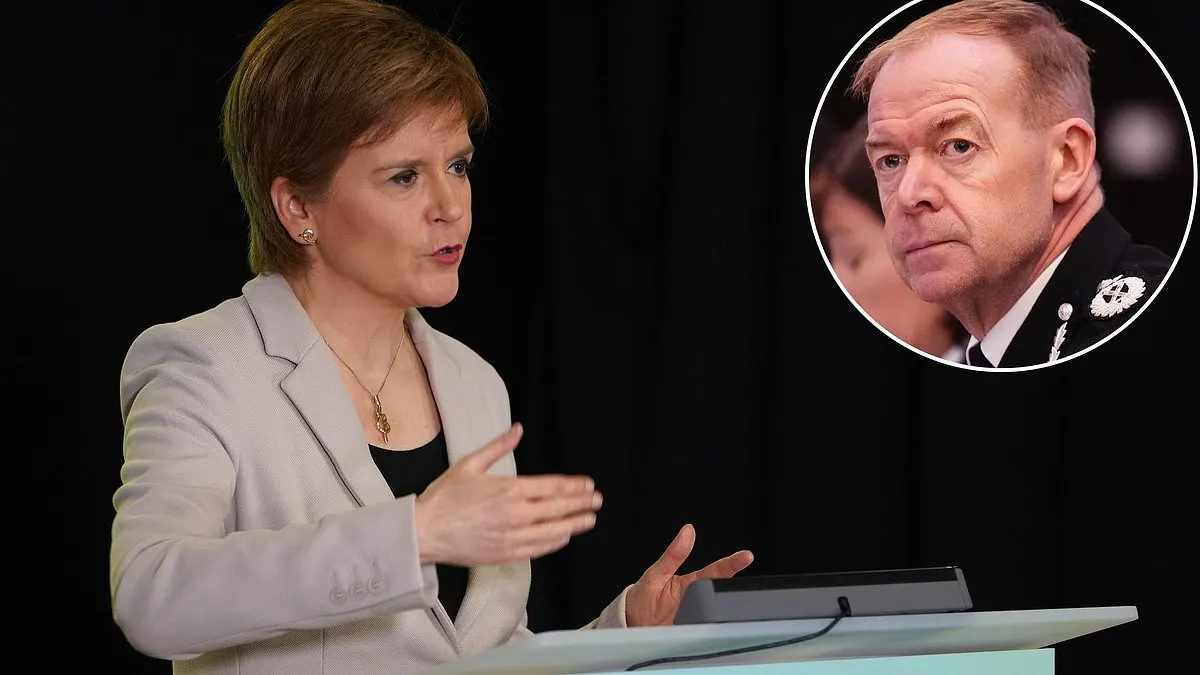
Senior Police Scotland officers were sometimes surprised by new Covid rules announced by Nicola Sturgeon, and learned of changes by watching her televised briefings, the Scottish Covid-19 Inquiry heard. Deputy Chief Constable Alan Speirs said advance notice would have helped the force communicate rules and introduce new powers more effectively.
Changes were often announced on Wednesdays and took effect on Fridays, leaving limited time to prepare. Speirs said officers sometimes received notice only minutes before an announcement, while on other occasions they had a day or two; some changes were not shared in advance. The inquiry also heard that the government expected police to set up checks at the England-Scotland border during travel restrictions, but Police Scotland did not consider that the right approach.
- Police sometimes learned of Covid rule changes during Sturgeon’s televised briefings.
- The force said more notice could have improved implementation.
- Police Scotland rejected setting up border road checks.
New here? Start with this
During the Covid-19 pandemic, Scotland introduced rules to limit the spread of the virus, including restrictions on travel and public gatherings. Nicola Sturgeon was Scotland’s First Minister and led the government’s public announcements about those rules.
Police Scotland is the national police service for Scotland. Its officers had to explain and enforce some restrictions, while the Scottish Covid-19 Inquiry is examining how public bodies handled the pandemic. The timing and communication of rule changes matter because police needed to understand what applied and prepare to inform the public.
Both sides, in good faith
The strongest fair case each way — we don't pick a winner.
The case for
Police Scotland’s case is that advance notice of rule changes would have helped officers explain new requirements consistently, prepare for new enforcement powers and plan operationally. With some rules taking effect within days of announcement, timely coordination could have improved public understanding and implementation.
The case against
The government’s approach can be defended on the grounds that public health rules sometimes needed to change quickly as circumstances evolved, and keeping plans confidential until announcement may have supported clear, coordinated communication. Police need to implement lawful rules, but advance notice does not necessarily mean they should determine policy or be involved in every decision before it is made.