Culture news and discussion on TalkFuse.
Police officers who Tasered and pepper-sprayed one-legged dementia sufferer, 92, in care home may have contributed to his death, inquest hears
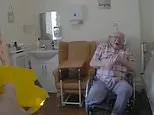
An inquest heard that police officers may have contributed to the death of Donald Burgess, a 92-year-old care-home resident with dementia who used a wheelchair after losing a leg. Officers responding to reports that he would not put down a butter knife shouted at him, struck his arm with a baton, used pepper spray and then Tasered him within 83 seconds.
Burgess was arrested and taken to hospital, where he was treated for a urinary infection; after his care home refused to readmit him, he remained there awaiting another placement and contracted Covid-19. He suffered a cardiac arrest and died 22 days after the incident, with his family’s lawyer arguing that the force and resulting physiological stress may have contributed to his death alongside his existing conditions.
In short
- Inquest examines whether police force contributed to a vulnerable pensioner’s death.
- Officers used a baton, pepper spray and Taser during an 83-second incident.
- He later contracted Covid-19 and died after 22 days in hospital.
Steelman: both sides, in good faith
The strongest fair case each way — we don't pick a winner.
The case for
The family’s case is that the rapid use of a baton, pepper spray and a Taser on a frail, very elderly man with dementia may have caused significant physical and physiological stress, contributing to his later cardiac arrest. They may also argue that the incident led to hospital detention and disruption to his care, which formed part of the chain of events before his death.
The case against
A reasonable alternative is that the inquest should distinguish the officers’ actions from the eventual death, which occurred 22 days later after Burgess contracted Covid-19 and amid existing health conditions. On this view, the force may warrant scrutiny, but the evidence must establish whether it materially contributed to his death rather than treating the sequence of events alone as proof of causation.
Explained simply
An inquest is a formal investigation into the circumstances of a death, usually led by a coroner. It can examine what happened and whether actions or events may have contributed, but it does not decide criminal guilt.
Donald Burgess was an elderly care-home resident who had dementia and used a wheelchair after losing a leg. Police attended after staff reported that he would not put down a butter knife; he was later taken to hospital, where he remained after his care home would not readmit him.
The inquest is considering the events before Burgess’s death and the possible effects of the force used by police, alongside his existing health conditions and later illness. Its findings may clarify how responsibility and care were handled during the period between the incident and his death.