Politics news and discussion on TalkFuse.
Police ‘retreating from Britain’s streets’ as officers vanish under Labour’s watch
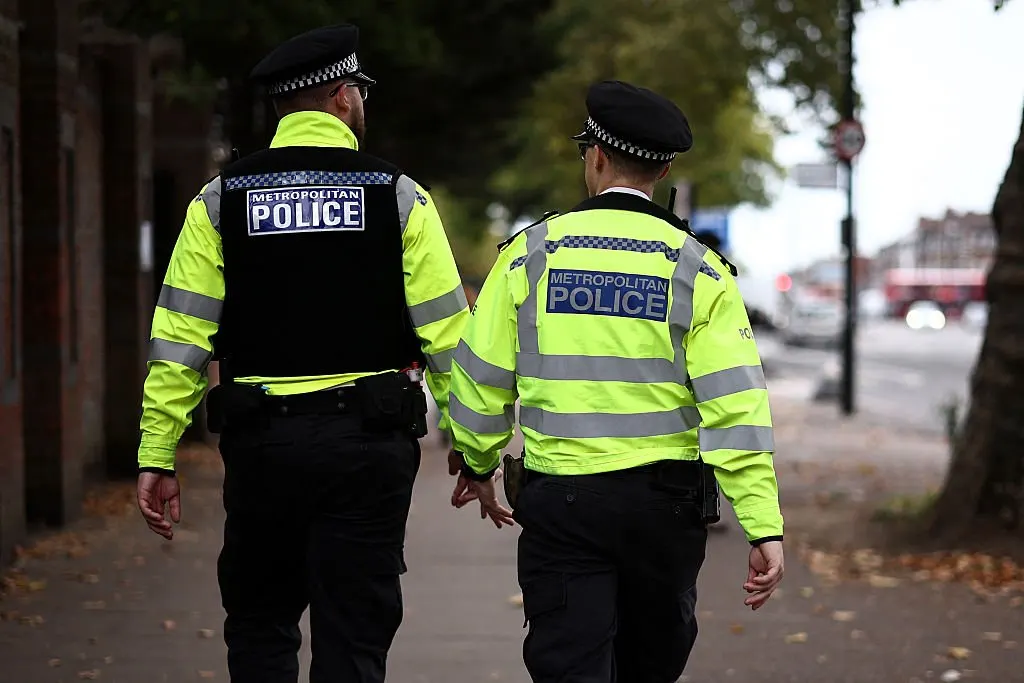
Police leaders in England and Wales say severe financial pressures are forcing forces to pull officers away from frontline duties, risking reduced services. Nine constabularies are seeking emergency government funding, and the warnings come as the Home Secretary prepares to meet police chiefs.
The forces named are Durham, Cleveland, Greater Manchester, Bedfordshire, South Yorkshire, Norfolk, Gloucestershire, Wiltshire and Lincolnshire. Officer numbers fell from 148,536 when Labour took office in July 2024 to 147,822 by March, while the projected funding gap has risen from £3 billion to £4.3 billion by 2030. Police leaders also cite growing demand and warn that the early release of 5,000 prisoners could add pressure; the NPCC estimates it could increase crime by as much as 6 per cent.
In short
- Nine forces are seeking emergency funding.
- Officer numbers have fallen since July 2024.
- Police leaders warn of service cuts as costs rise.
Steelman: both sides, in good faith
The strongest fair case each way — we don't pick a winner.
The case for
Police leaders’ warnings suggest that tight budgets and rising demand are already affecting frontline capacity, while falling officer numbers and a projected funding gap could make it harder to maintain services. Supporters of urgent extra funding argue that preventing further reductions is important for public safety, particularly if early prisoner releases add to the workload.
The case against
The figures cited do not by themselves show that police are broadly retreating from the streets or that Labour’s decisions caused the pressures: officer numbers cover a period of less than a year, and the funding gap is a projection. A government could argue that it must weigh police funding against other demands on public money, scrutinise requests for emergency support, and assess the claimed effect of prisoner releases before treating it as established.
Explained simply
Police forces in England and Wales are organised locally, with each force responsible for policing its area. Their budgets come mainly from central government and local council tax, and police leaders say rising costs and demand are putting pressure on the services forces can provide.
The National Police Chiefs’ Council represents chief officers across England and Wales, while the Home Secretary oversees national policing policy and funding decisions. The nine forces named are seeking emergency government support as police leaders warn of a widening funding gap and fewer officers.
The issue matters because changes to staffing and resources can affect how quickly forces respond and what work they can prioritise. Police leaders have also warned that the planned early release of prisoners could add to demand, though the effect on crime is an estimate.