Politics news and discussion on TalkFuse.
Police ‘retreating from streets’ due to major funding crisis, chief constables say
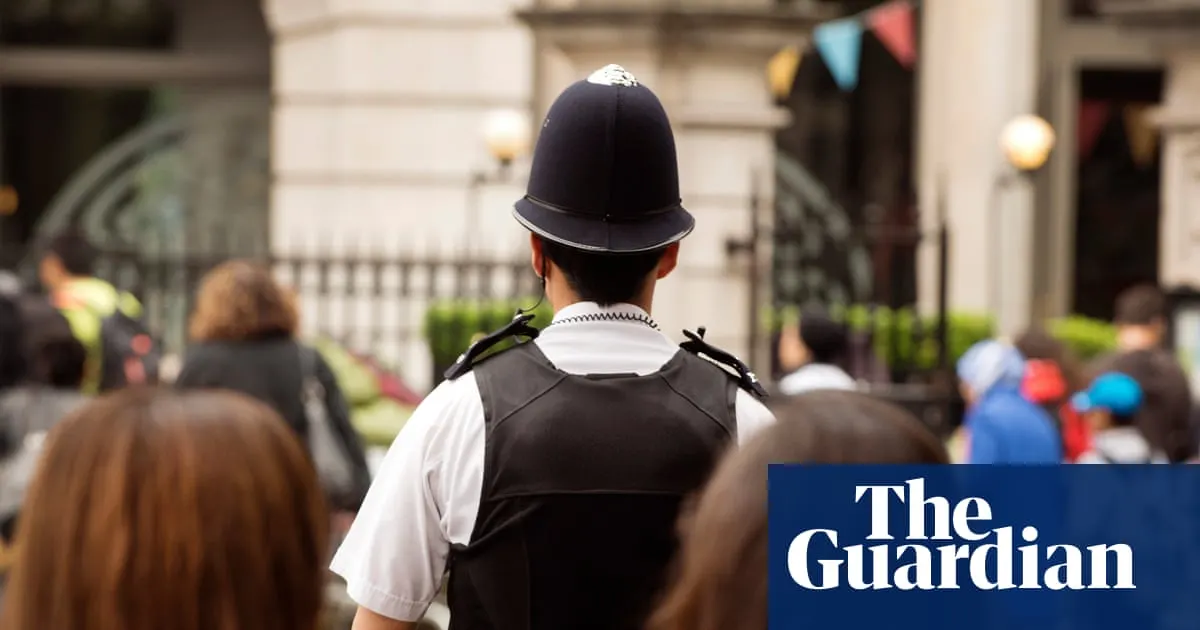
Police chiefs say severe financial pressure is forcing forces in England and Wales to scale back visible policing, putting core services at risk. Nine forces have sought exceptional government support, while the projected funding gap by 2030 has risen to £4.3bn.
The forces named as applicants are Durham, Cleveland, Greater Manchester, Wiltshire, Bedfordshire, South Yorkshire, Gloucestershire, Lincolnshire and Norfolk; the Home Office has not confirmed how many applied. Police numbers fell from 148,536 in June 2024 to 147,822 by March 2026, and chiefs say demand has grown alongside population, complex investigations and emergency calls. Bedfordshire’s chief says the force is receiving 1,000 more 999 calls a month than last year, while police leaders warn that proposed reforms would take years to deliver savings.
In short
- Nine forces are seeking exceptional financial support.
- Police chiefs warn services and street presence are under pressure.
- The projected funding gap by 2030 has reached £4.3bn.
Steelman: both sides, in good faith
The strongest fair case each way — we don't pick a winner.
The case for
Police chiefs argue that shrinking budgets and rising demand leave forces with little choice but to reduce visible patrols, risking slower responses and less prevention of crime. They say exceptional support and sustainable funding are needed to protect core services, especially as complex investigations and emergency calls increase.
The case against
Those concerned about public spending could argue that forces should first show how existing resources are used and prioritise essential services before seeking more government support. They may also contend that proposed reforms could improve efficiency over time, even if savings take years to materialise, and that the figures reported do not by themselves establish which spending choices are unavoidable.
Explained simply
Police forces in England and Wales are funded mainly through government grants and local council tax, and must balance their budgets each year. When forces face a shortfall, they can seek exceptional support from the Home Office, but ordinary budgets still have to cover staff, emergency responses and investigations.
Chief constables lead their local forces and are responsible for managing those services. They say forces are handling more calls and complex cases, while the number of officers has recently fallen slightly; demand and staffing pressures vary between areas.
The issue matters because choices about spending can affect how quickly officers respond and how much time they can spend in public places. Proposed changes to policing may bring savings over time, but leaders say they would not resolve immediate financial pressure.