News, events and chat from Sheffield and South Yorkshire.
Police to use ‘stop and search’ powers for another day in Page Hall after violence flares on Sheffield streets
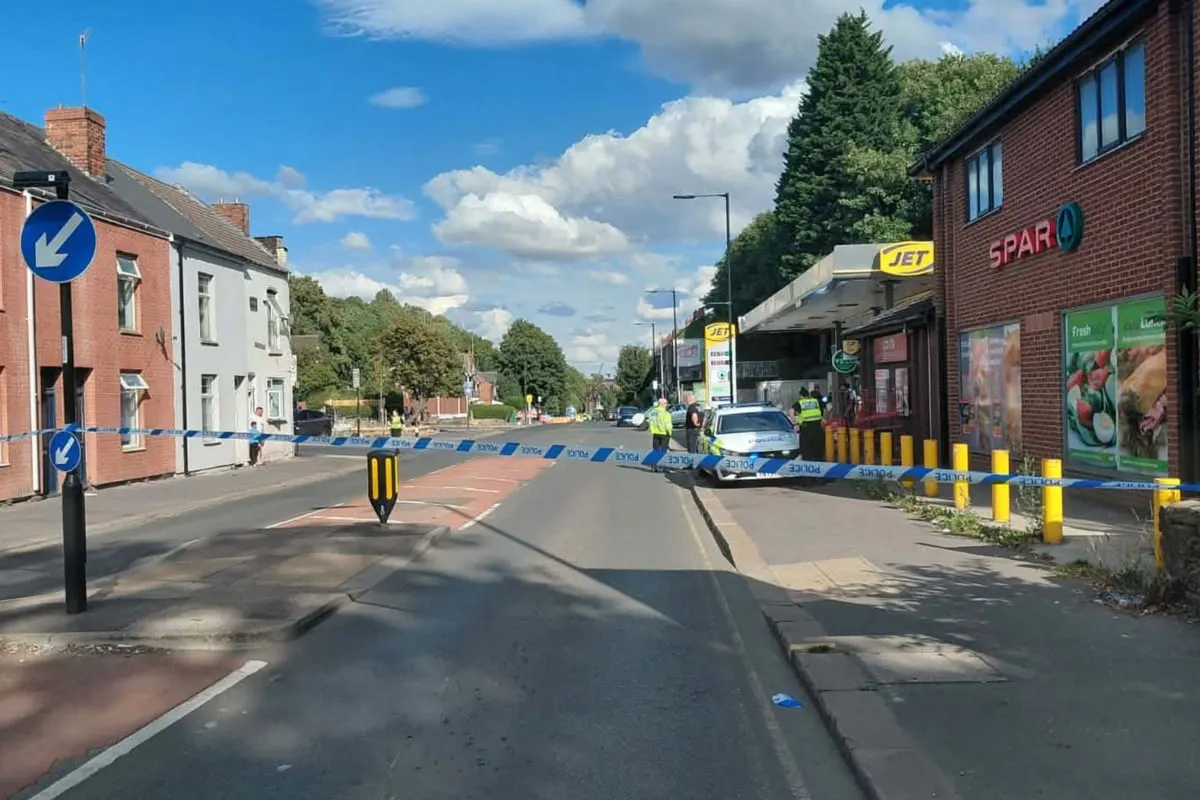
Violence erupted in Sheffield's Page Hall neighbourhood across two separate incidents, leaving multiple people hospitalised. On Monday evening, a disturbance involving a large group armed with wooden bats occurred on Willoughby Street, injuring one woman. The following afternoon, a vehicle collision on Owler Lane escalated into an assault with metal bars, seriously injuring two men. Police linked the incidents and made four arrests, including two men on suspicion of attempted murder.
In response, authorities activated a Section 60 order permitting stop and search operations in the area through Thursday, without the usual level of suspicion required for such checks. The police authority stated the measure reflects the seriousness of the disorder and aims to protect residents through increased patrols and weapons sweeps. Officials indicated the order could be renewed if necessary and promised to keep patrols active as a visible deterrent.
In short
- Two violent incidents in Sheffield's Page Hall over consecutive days (Aug 3–4) resulted in four arrests and hospitalisation of multiple people
- Police deployed Section 60 stop and search powers through Thursday evening, permitting vehicle and person searches with reduced suspicion requirements
- Officers say expanded authority is necessary to deter further disorder; measure may be extended if violence continues
Steelman: both sides, in good faith
The strongest fair case each way — we don't pick a winner.
The case for
The incidents—involving weapons and resulting in serious injuries and attempted murder arrests—present a genuine public safety threat justifying temporary, targeted enforcement measures. Police have a statutory duty to protect residents, and Section 60 orders allow removal of weapons and visible deterrence in a defined area during acute crisis. The measure is time-limited and proportionate, subject to renewal only if circumstances warrant.
The case against
Stop and search operations disproportionately affect certain communities and risk entrenching mistrust between police and residents, potentially hampering longer-term safety and cooperation. Civil liberties safeguards like the suspicion requirement exist to prevent collective punishment and discriminatory policing. Community-centred approaches—visible patrols, engagement, and targeted investigation—might achieve safety objectives without eroding the rights and trust that effective policing ultimately depends upon.
Explained simply
Page Hall is a neighbourhood in north-east Sheffield, where local streets are also used by residents and passing traffic. Police investigate violent incidents to establish what happened, who was involved and whether the events are connected.
In England and Wales, a Section 60 order gives police temporary power to search people in a specified area for weapons, without first needing the usual grounds for suspecting an individual. The power is intended for situations where serious violence is anticipated, and it is subject to time and area limits.
Stop and search can affect people who have not been accused of a crime, so its use is a matter of public interest. Police say patrols and searches can help prevent further violence and reassure residents; the powers also raise questions about how searches are carried out and their impact on the community.