Politics news and discussion on TalkFuse.
Trump threatens vetoes if Democrats win control of Congress
Developed over time first seen 2 hours ago
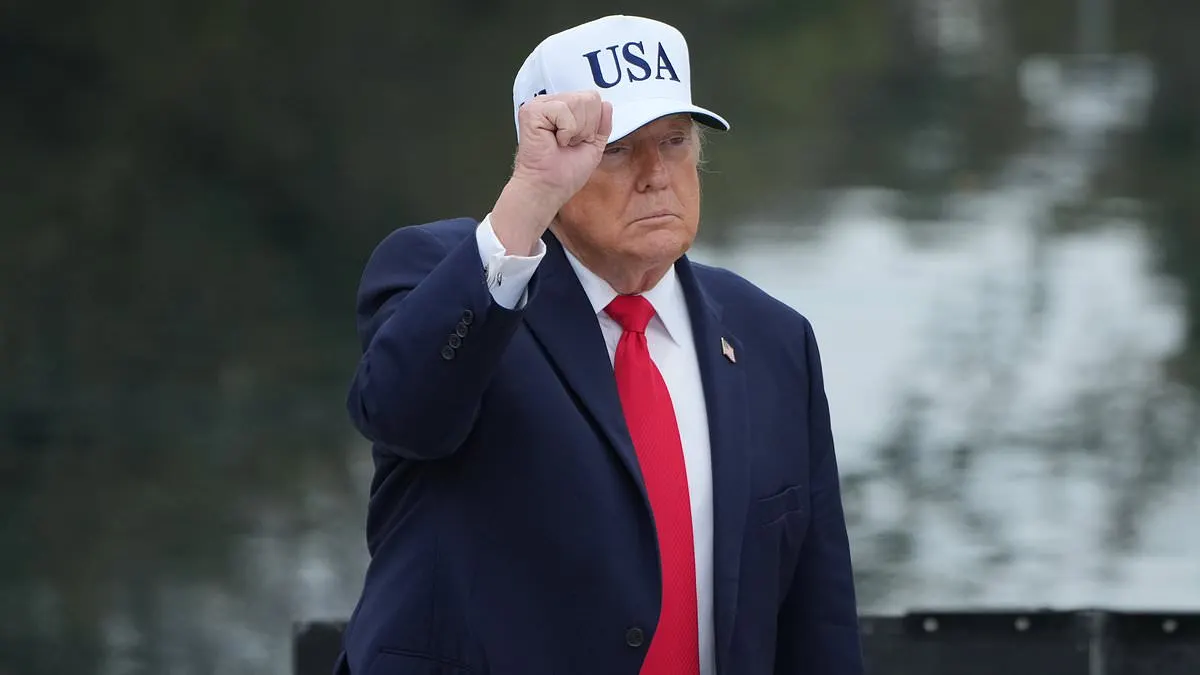
Donald Trump said he might use his veto power to block legislation if Democrats win control of Congress in the 3 November midterm elections. He told Fox News he could become “Mr Veto”, while also suggesting that deals might eventually be made.
The article says polling points to a difficult outlook for Republicans, with all seven Senate races considered toss-ups. It invites readers to give their views in a poll, with results due in a future edition of the DC Insider newsletter.
- Sources
- 2
- Outlets
- 1
- Left · Centre · Right
- 0 · 0 · 2
In short
- Trump says he may veto legislation if Democrats win Congress.
- He suggested deals could follow.
- A poll asks readers what they think of the approach.
How this story developed
- 2 hours ago Donald Trump said he might use his veto power to block legislation if Democrats win control of Congress in the 3 November midterm elections. He told Fox News he could become “Mr Veto”, while also suggesting that deals might eventually be made.
Full account
President Donald Trump has said he would use his veto if Democrats take control of Congress in the 3 November midterm elections, while leaving open the possibility of later agreements with them. In an interview with the New York Post, a clip of which was aired by Fox News, he suggested he could become ‘Mr. Veto’ before the two sides eventually made deals. His remarks set out how he might respond to legislation from a Democratic majority; the election has yet to determine whether either chamber will change hands.
A Democratic victory in the House or Senate would make it harder for Trump to pass new laws with Republican support. Control of both chambers would give Democrats greater influence over legislation, federal spending and scrutiny of the administration. It would not, however, mean every bill reaching the president had to become law: Trump could reject legislation, and Congress would need a two-thirds majority in each chamber to override a veto. Both reports describe a competitive election, although their accounts give different weight to the chances of a Democratic sweep.
The administration is also preparing for a change in Congress, according to Reuters reporting cited in the second account. A White House official and two people familiar with the work said senior aides, including Stephen Miller and budget director Russell Vought, had been identifying policies Trump might pursue through executive action. The areas under consideration include immigration, tariffs, housing and federal spending. White House counsel Will Scharf and his team were examining the legal scope of those actions and how the administration might defend them in court. These are reported preparations, not measures that have been announced or put into effect.
The reports therefore point to two possible parts of Trump's response: vetoing bills he opposes and trying to advance parts of his agenda through powers available to the presidency. Neither would remove the need to work with Congress on legislation, and executive actions could face legal challenges. Much depends on the election results, the size of any Democratic majorities and whether lawmakers in either party seek an agreement. Trump himself has presented negotiation as a possibility after an initial period of confrontation.
Where outlets differ
From the full account, which is AI-written from the sources:
Source 1 concentrates on Trump's veto remark and presents the election through a poll and reader-question format. Source 2 gives more attention to reported White House preparations for executive action.
Source 1 says Trump made the remark to Fox News. Other reporting identifies it as a New York Post interview clip aired by Fox News.
Source 1 describes polling as pointing strongly towards Republican losses in seven closely contested Senate races. Source 2 cites prediction-market odds favouring Democrats while acknowledging that opinion polls show several Senate races remain close.
Steelman: both sides, in good faith
The strongest fair case each way — we don't pick a winner.
The case for
A president may reasonably use the veto to prevent legislation that conflicts with his mandate or policy priorities, particularly when the opposing party controls Congress. Signalling that stance could also encourage negotiations and lead to compromises, as Trump suggested might happen.
The case against
A president should use the veto sparingly and judge bills on their merits, rather than threaten to block legislation because the opposing party won control of Congress. Such a posture could obstruct policies supported by voters and make the government less able to address shared concerns.
Explained simply
The US Congress makes federal laws and has two chambers: the House of Representatives and the Senate. Voters choose members of both in midterm elections, held halfway through a president’s four-year term; control can shift between the president’s party and its opponents.
The president can veto a bill passed by Congress, stopping it from becoming law. Congress can override a veto if two-thirds of members in both chambers vote to do so, so the balance of seats affects how much room there is for legislation and negotiation.
Coverage · 2 sources
Bias meters
From 2 rated sources.
Elections Government Politics World
Read the full article at the source →
Originally published by Daily Mail as “POLL: Trump says he’ll become ‘Mr Veto’ if Democrats win Congress. Good plan? Have your say in our DC Insider newsletter”.