Polls close in Israel after ‘record voter turnout’ in election that could see Netanyahu ousted from power
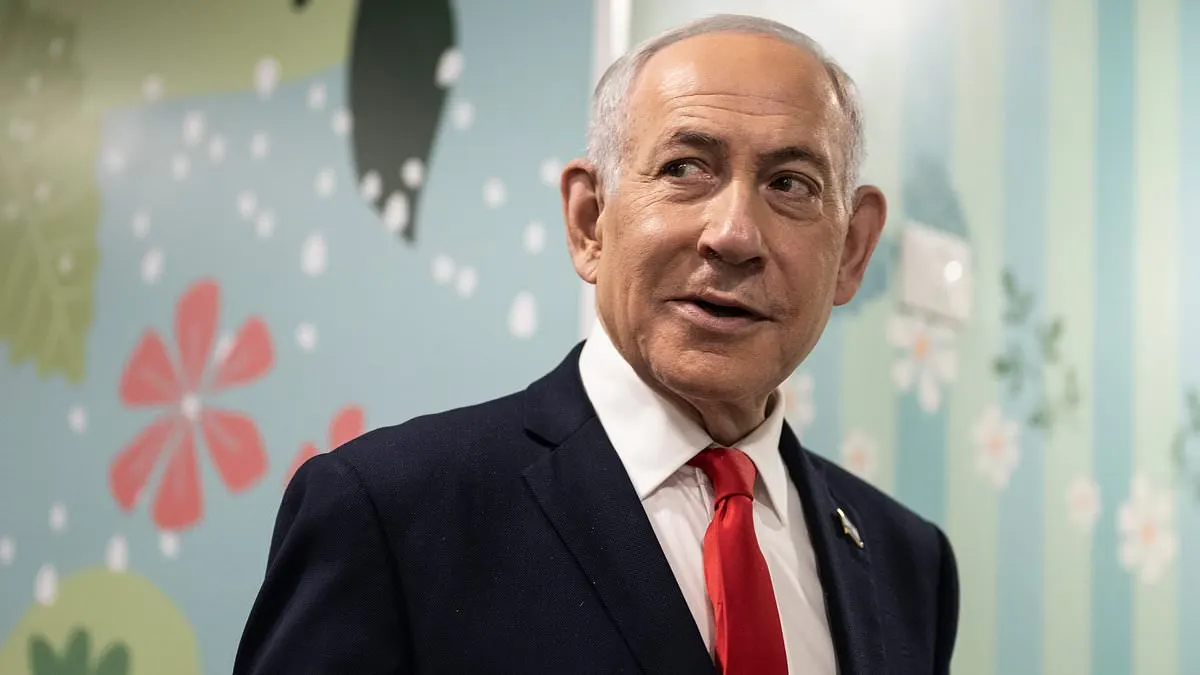
Polls have closed in Israel after a record 74 per cent turnout, with early exit polls suggesting Benjamin Netanyahu’s Likud party will remain the largest in parliament. Neither the bloc backing him nor the main Jewish-led opposition bloc appears close to the 61 seats needed for a majority, leaving his political future uncertain and raising the prospect of difficult coalition talks or another stalemate.
Channel 12’s exit poll projects 52 seats for Jewish-led parties opposed to Netanyahu and 50 for parties backing him, in the 120-seat Knesset. Arab-led parties Ra’am and the Joint List are projected to win a record 18 seats and could influence coalition formation. Official results are expected in the coming days; Israelis vote for parties, which then form alliances, and the election is widely seen as a judgement on Netanyahu’s leadership since the Hamas-led 7 October 2023 attacks and the subsequent regional wars.
In short
- Turnout reached a record 74 per cent.
- Exit polls show neither main bloc near a majority.
- Arab-led parties could hold a pivotal role.
Steelman: both sides, in good faith
The strongest fair case each way — we don't pick a winner.
The case for
Supporters of Netanyahu can argue that his experience and security-focused leadership are especially valuable after the 7 October attacks and the ensuing regional wars. They may also see Likud’s projected position as evidence that many voters still trust his judgement, and contend that coalition talks should allow elected parties to pursue policies their supporters endorsed.
The case against
Opponents can argue that the attacks and subsequent wars demand accountability and a change in leadership, especially if they believe Netanyahu’s government has not met the country’s security or political needs. They may see the strong turnout and projected advantage for parties opposed to him as a mandate to build a different coalition, while arguing that prolonged stalemate carries its own costs.
Explained simply
Israel’s parliament, the Knesset, has 120 seats, and a government needs the support of at least 61 members. Voters choose parties rather than a prime minister directly, so parties usually negotiate alliances after an election to form a governing coalition.
Benjamin Netanyahu, leader of the Likud party, has been a central figure in Israeli politics for many years. The election is taking place amid debate over his leadership since the Hamas-led attacks of 7 October 2023 and the wars that followed.
Arab-led parties also compete for seats and can affect which alliances are possible. If no group can command a majority, negotiations may prove difficult and Israel could face political deadlock.
Elections Middle East Politics World