Politics news and discussion on TalkFuse.
Pollsters missed the mark again — but this time, it wasn’t Republicans they underestimated
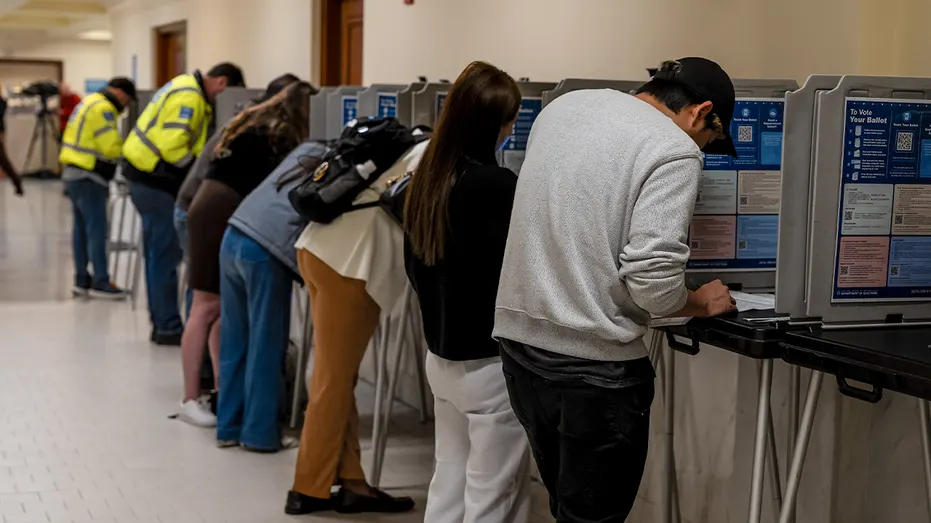
Pollsters who had been accused by Donald Trump and other Republicans of undercounting Republican voters appear to have underestimated Democratic support in the midterms. The results produced a major Democratic wave, with the party decisively regaining majorities in both the House and Senate.
Pollsters Chris Anderson and Daron Shaw said surveys generally got the direction of the contests right but missed Democrats’ vote share by a few points. Shaw said the scale of the shift in Texas was surprising, while David Paleologos also described a slight undercount of Democrats. He pointed to similar polling misses in the 2025 New Jersey and Virginia gubernatorial races, where Democratic candidates won by larger-than-expected margins.
In short
- Pollsters say they underestimated Democratic support in the midterms.
- Democrats won back majorities in the House and Senate.
- Analysts say polling misses should no longer be seen as one-sided.
Steelman: both sides, in good faith
The strongest fair case each way — we don't pick a winner.
The case for
The polling misses suggest survey methods may still fail to capture turnout and late shifts accurately, even when they identify which party is ahead. Because these results favoured Democrats, pollsters and readers should be cautious about assuming that past errors will always benefit Republicans, and should examine how surveys model likely voters.
The case against
A few points of error do not necessarily show a broad or lasting polling failure: the surveys reportedly got the direction of the contests right, and individual races can move sharply or differ from earlier patterns. Polling remains a useful estimate rather than a precise forecast, so the results may call for careful interpretation rather than a wholesale loss of confidence.
Explained simply
Polls are surveys that ask a sample of voters who they support, then use the answers to estimate how an election may go. Their estimates can differ from the result if the sample does not reflect the voters who turn out, or if people change their minds or do not disclose their choice.
Donald Trump and other Republicans have previously argued that pollsters understated Republican support. Chris Anderson, Daron Shaw and David Paleologos are pollsters who have discussed how surveys can miss the level of support for a party, even when they identify the likely winner.
Polling matters because voters, campaigns and news organisations use it to understand how competitive races are. Repeated errors can affect trust in surveys and raise questions about how pollsters choose and weigh the people they interview.