Popular artificial sweetener linked to potentially dangerous heart risk
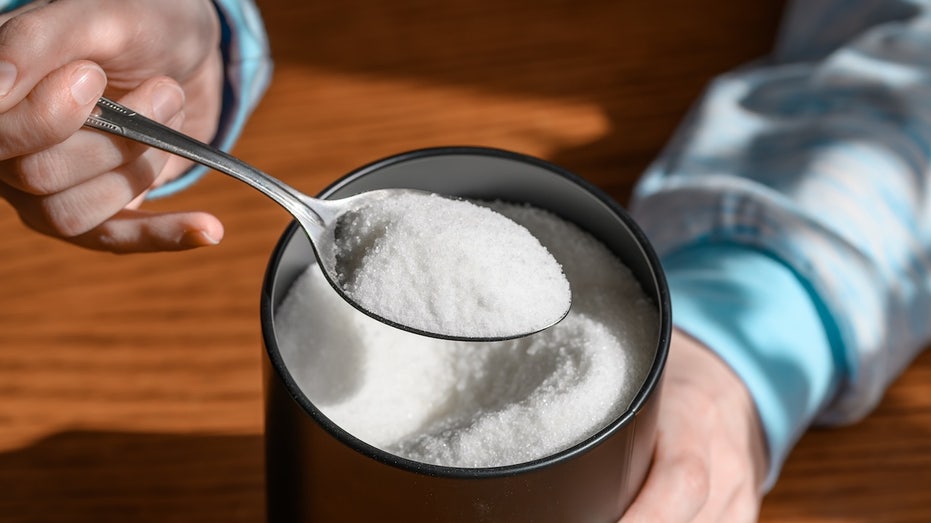
A new study presented at the ESC Cardiology Congress in Germany has found that higher blood levels of xylitol, a sugar alcohol widely used as a low-calorie sweetener in foods, drinks, chewing gum and dental products, are linked to an increased risk of heart attack, stroke and death. Because xylitol is regarded by regulators as a safe alternative to sugar and consumed by people seeking healthier options, the findings raise fresh questions about the cardiovascular safety of a substance already present in many everyday products.
Researchers tracked more than 17,700 participants across two large cohorts in Canada and Britain. Over six years, Canadian participants with the highest xylitol levels had a 57% greater risk of major cardiovascular events, while over 30 years, British participants in the highest group faced an 18% increased risk; both showed a dose-dependent pattern that held even after adjusting for age, BMI, diabetes and other factors. The study's presenter, Dr Marco Witkowski, noted xylitol has previously been shown to boost blood clotting, though the research is observational and cannot prove causation, and outside cardiologist Dr Aseem Malhotra said the findings should be taken seriously while urging patients to avoid processed sugars and artificial sweeteners.
- High blood xylitol levels linked to greater heart attack and stroke risk
- Canadian study found 57% higher risk; British study found 18%
- Study is observational; experts call for further research