Science news and discussion on TalkFuse.
Popular snack may help support brain health in older adults, new study finds
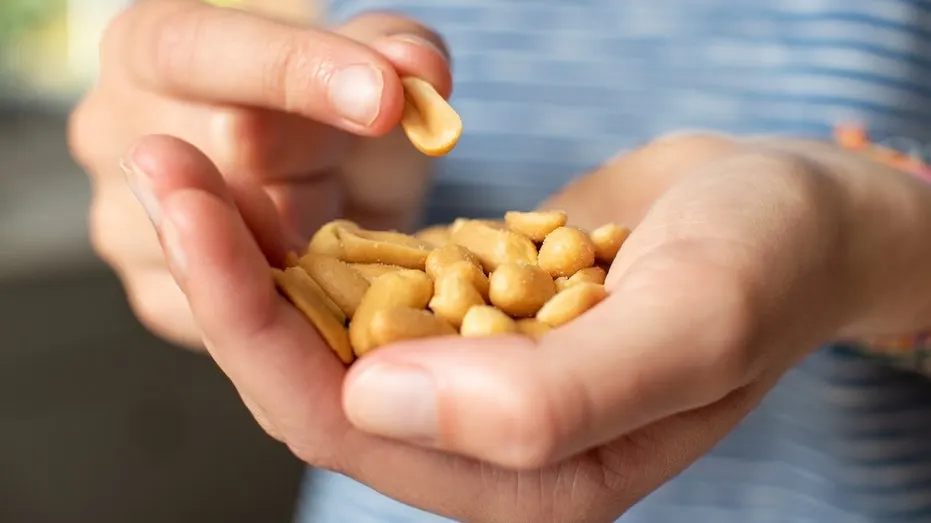
A small study suggests that eating peanuts daily may improve how insulin works in brain regions involved in memory among healthy older adults. The finding matters because insulin helps brain cells communicate, but the research did not show that peanuts prevent cognitive decline or Alzheimer’s disease.
Researchers followed 31 adults aged 60 to 75, who ate 60 grams of unsalted, skin-roasted peanuts each day for 16 weeks, with a separate phase in which they ate none. MRI scans showed an approximately 4% increase in overall brain blood flow and improved insulin responsiveness in memory-related regions, including the hippocampus. A neurologist cautioned that the results need further study and that evidence favours healthy dietary patterns over any single food; the study was funded by the Peanut Institute Foundation.
In short
- Daily peanuts were linked to improved brain insulin responsiveness.
- The study involved 31 adults aged 60 to 75.
- It did not show peanuts prevent Alzheimer’s disease.
Steelman: both sides, in good faith
The strongest fair case each way — we don't pick a winner.
The case for
The findings offer a plausible reason to study peanuts as one component of diets for older adults: participants showed improved insulin responsiveness in brain regions involved in memory, alongside a modest increase in brain blood flow. Peanuts are a nutritious food, and even preliminary evidence of a possible benefit may justify further research into whether regular consumption supports brain function.
The case against
The study was small and short, and changes in brain scans do not establish that peanuts improve memory in daily life or prevent cognitive decline or Alzheimer’s disease. Its results may not generalise to other older adults, and the study’s funding by the Peanut Institute Foundation is a reason to look for independent replication; broader healthy dietary patterns have stronger support than relying on one food.