Pornhub returns to Australia but only for adults with Apple devices
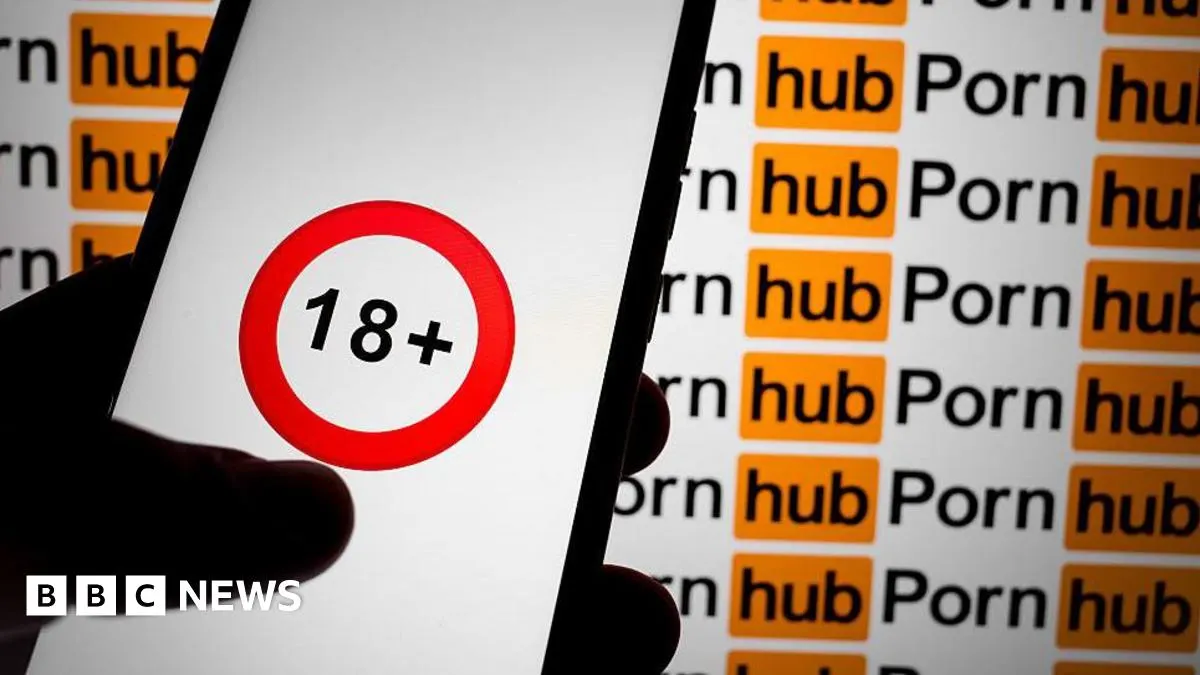
Pornhub has returned to Australia after an eight-month absence, but only for Apple users who have completed Apple's age verification process. The adult content site left the Australian market in March after the government introduced strict laws requiring users to prove they were over 18 to access adult content, arguing the regulations would not protect children and created privacy risks. This return marks a significant development in the ongoing debate about how best to protect minors from adult content whilst balancing privacy concerns.
Aylo, Pornhub's parent company, has decided to re-enter the Australian market because it views Apple's device-based age verification system as a solution to its concerns. Users can verify their age through Apple's process using a credit card, passport, driver's license, or government-issued ID. The approach differs from website-level verification, as Apple's system makes all devices child-safe by default unless owners confirm they are adults, reducing the need for users to share personal information with multiple platforms. Aylo argues this method is more effective at preventing minors from accessing adult content whilst protecting privacy.
- Pornhub returns to Australia exclusively for Apple users with age verification
- Site went dark eight months ago over concerns about privacy and effectiveness
- Apple's device-based system offers alternative to website-level age checks
New here? Start with this
Australia recently introduced strict laws requiring adult websites to verify that users are over 18 before allowing access. Pornhub, one of the world's largest adult websites, left the Australian market in March after its parent company Aylo stated the regulations posed privacy risks and would not effectively protect children.
The site has now returned to Australia, but only for users with Apple devices. Pornhub's parent company Aylo has chosen to use Apple's built-in age verification system, which allows users to prove their age through their device using documents such as passports, driver's licences, or credit cards. This approach differs from requiring users to share personal information directly with adult websites.
This development matters because it highlights the tension between two objectives: keeping adult content away from minors and protecting users' privacy. Requiring age verification for each website means sharing personal information with multiple platforms, which raises privacy concerns. Apple's device-level system attempts to balance both objectives by handling age verification at the device level.
Both sides, in good faith
The strongest fair case each way — we don't pick a winner.
The case for
Aylo's return with Apple's device-based verification represents a workable compromise that addresses both child protection and privacy concerns more effectively than the blanket ban. Apple's system making all devices child-safe by default whilst requiring honest adult declaration provides a structural barrier to minor access, and importantly, it prevents users from having to share sensitive personal data with adult content providers—a significant privacy protection unavailable under purely website-based systems. This solution demonstrates that industry can meet legitimate child safety objectives whilst respecting user privacy rights.
The case against
Whilst presented as privacy-conscious, device-level verification may inadequately protect Australian children from the regulatory intent behind the original law. The system's effectiveness depends entirely on device owners being truthful about their age and maintaining restrictions, yet tech-savvy minors could attempt to circumvent protections, and household devices registered to adults are regularly accessed by younger family members. Allowing industry to redefine compliance with alternative technical solutions risks weakening child protection standards, setting a precedent where companies avoid substantive regulatory obligations by claiming their own methods achieve equivalent safeguarding.