World news and discussion on TalkFuse.
Sterling reaches strongest level since 2016 referendum-day crash
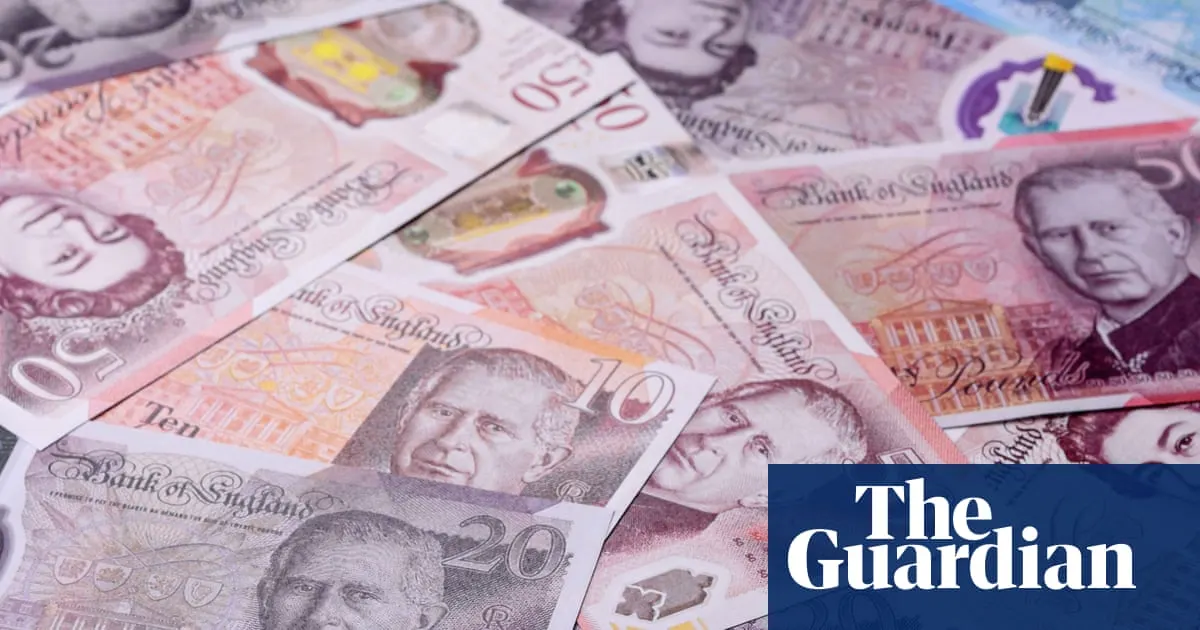
Sterling has reached its strongest level against a basket of currencies since the day of the 2016 EU referendum, when it began a sharp decline. The rise reflects a weaker US dollar after the Democrats’ midterm election victory, alongside the pound’s gains against currencies including the euro and yen; investors also appear more positive about closer UK ties with Europe.
The Bank of England’s sterling effective exchange rate index stood at 86.5372, compared with 87.9248 on referendum day and a low of 73.1 in March 2020. On Thursday, sterling was little changed against the dollar at $1.3463 and traded near an 18-month high above €1.20. Markets were also anticipating an interest rate rise by the Bank of England, while the UK and EU are expected to announce new trade deals at a summit later this month.
In short
- Sterling reached its strongest level since referendum day in 2016.
- The Bank of England’s currency index rose to 86.5372.
- A weaker dollar and hopes for closer EU ties supported the pound.
Steelman: both sides, in good faith
The strongest fair case each way — we don't pick a winner.
The case for
A stronger pound can make imported goods and overseas travel cheaper, ease some inflationary pressure and signal that investors have greater confidence in the UK economy. Supporters may also see the gains as evidence that closer UK ties with Europe and anticipated trade agreements could improve economic prospects.
The case against
A higher exchange rate can make UK exports more expensive for overseas buyers and put pressure on businesses that compete internationally. The rise also reflects factors such as a weaker US dollar and expectations of higher interest rates, so it may not indicate a lasting improvement in the UK’s economic position.
Explained simply
The pound is the UK’s currency. Its value can be measured against one currency, such as the US dollar, or against a basket that tracks it against several currencies; the Bank of England’s effective exchange rate index is one such measure.
In 2016, the UK voted to leave the European Union, and the pound fell sharply after the result. The Bank of England sets UK interest rates, which can affect demand for sterling, while the government and EU negotiate the terms of their economic relationship.
Changes in the pound’s value affect the cost of imports and travel abroad, as well as the prices UK exporters receive overseas. Currency movements can reflect many factors, including interest rates, economic expectations and developments in the UK’s relations with Europe.
Americas Elections Europe Politics Software Technology UK World
Read the full article at the source →
Originally published by The Guardian as “Pound hits highest level since its crash after 2016 Brexit vote”.