Business news and discussion on TalkFuse.
Pound rises to its highest level since the Brexit referendum
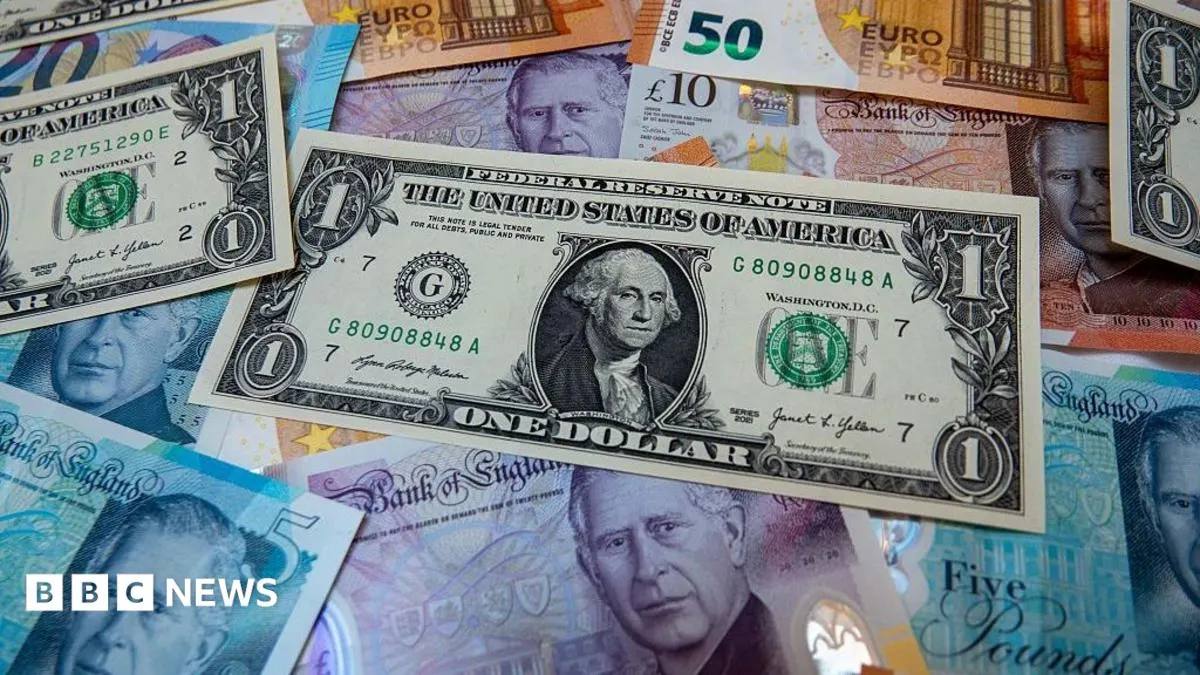
Sterling has reached its highest overall level since the 2016 Brexit referendum, rising in recent weeks against the euro and the dollar. The move matters because a stronger pound can help curb inflation and increase consumers’ buying power, while also reflecting improving views of the UK economy and political outlook.
The Bank of England’s index of sterling against 18 major currencies reached 86.4, with 100 representing its 2005 value; the Bank is due to confirm the calculation on Thursday. The pound had fallen after the referendum and hit further lows during Brexit, the pandemic and the 2022 mini-Budget. A rise in interest rates, widely expected to be the first in three years, is also in focus; on Wednesday sterling traded at $1.3434 and €1.1996.
In short
- Sterling hit its highest overall level since the 2016 referendum.
- The Bank’s currency index reached 86.4.
- A first interest rate rise in three years is widely expected.
Steelman: both sides, in good faith
The strongest fair case each way — we don't pick a winner.
The case for
A stronger pound can lower the cost of imported goods and energy, helping to ease inflation, while giving households and businesses more spending power abroad. Its rise may also reflect greater confidence in the UK’s economic and political outlook, and higher interest rates could support sterling by making UK assets more attractive.
The case against
A higher pound can make UK exports and tourism more expensive for overseas customers, putting pressure on exporters and other businesses competing internationally. The exchange rate’s recent rise may also be short-lived or driven by interest rate expectations, so it is not by itself proof of a lasting improvement in the economy; higher rates can also increase borrowing costs for households and firms.
Explained simply
The Brexit referendum in 2016 asked whether the UK should leave the European Union. The vote to leave was followed by years of negotiations and changes to the UK’s trading relationship with the bloc, creating uncertainty for businesses and investors.
Sterling is the UK’s currency, and its value changes against other currencies as markets respond to factors such as interest rates and confidence in the economy. The Bank of England is the UK’s central bank and sets interest rates; higher rates can attract investors seeking better returns, which may support the pound.
A stronger pound makes imported goods cheaper in the UK, which can help ease price rises, and gives people more spending power when buying from abroad. It can also make UK exports more expensive for overseas customers.